


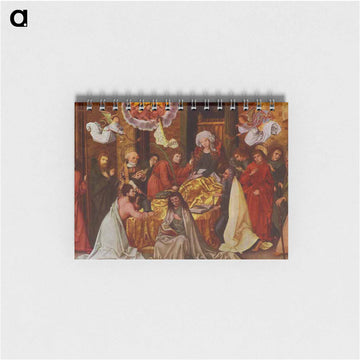
Death of the Virgin - Hans Holbein Memo.
Death of the Virgin - Hans Holbein Memo. - B6(128×182) is backordered and will ship as soon as it is back in stock.
【出荷予定について】
※土日祝定休
Product Description
Product Description
artgraph. Original masterpiece memo pad
Three features that make it a popular choice
1. Choose the size that best suits your needs
Available in B6 size, it is compact, easy to carry, and perfect for use as a memo pad.
2. Thick, smooth, high-quality paper
It uses high-quality paper that is stronger and thicker than regular notebooks. If you often write and refer back to it, like in an idea book, the bumps on the previous page won't stand out, making it easy to write on the next page.
3. A perfect gift for art-loving loved ones
The notebook section has no lines, so it's also recommended as a gift for art lovers who want to draw a little or carry a sketchbook with them!
It is printed on both sides so it can be opened either left or right.
*Due to misalignment of the printing area or changes to the trimming position, there may be missing parts in the print of the work.
- B6: 120 pages (60 sheets) / Silver ring color
| Work name | Death of the Virgin ) |
| Author name | Hans Holbein the Younger |
| Production date | 1501 |
| Related keywords | Hans Holbein, German, English, Renaissance, 16th century, portrait painter, religious painting, printmaker, court painter, art notebook, ring notebook, memo book, memo pad, ring memo, interior design, stylish painting, painting, masterpiece, landscape painting, miscellaneous goods, vintage, retro, entryway, living room, dining room, bedroom, kitchen, bathroom, entrance, etc. For personal use, or as a display reproduction for model rooms, offices, shops, hotels, cafes, etc. Also great as a birthday gift. |
| Related Keywords | |
| Management number | 1-1 |
We strive to make our product photos as close to the actual colors as possible, but the colors may differ from the actual product depending on your monitor settings and room lighting.
Each material may have different nuances, but we hope you enjoy the texture.
About delivery
About delivery
Please allow 3 business days for posters only and 10 business days for framed or canvas products.
Other products will take approximately 10 to 14 business days.
Business days: Monday to Friday Closed: Saturday, Sunday and public holidays
*Delivery may take longer than usual depending on the size, color, and quantity. If you are in a hurry or considering purchasing multiple items, please contact us in advance.
Refunds and Exchanges
Refunds and Exchanges
Refunds and Exchanges
If there is a problem with the product you received, please contact us immediately within 7 days of receiving it.
■ Contact details for returns and exchanges
info@artgraph.jp
refund
If there is a problem with the product, please see "Refunds and Exchanges" above.
cancel
Cancellation and refunds are possible before production has started, but if production has already ended, we will charge you the full amount.
Learn more

Death of the Virgin - Hans Holbein Memo.
You can order with confidence.
Payment methods
Please be assured that artgraph. does not store any credit card information and has no access to your credit card information.
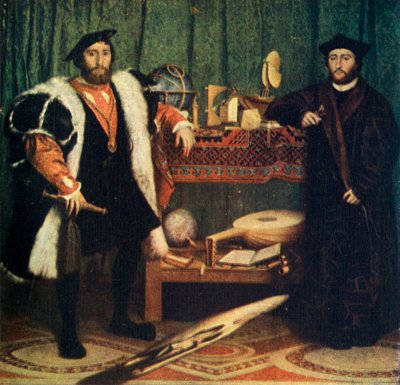
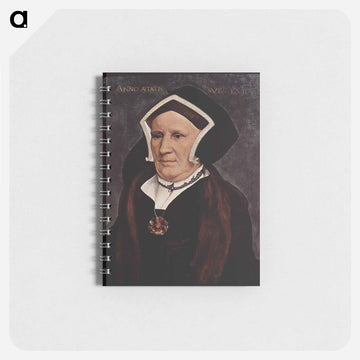
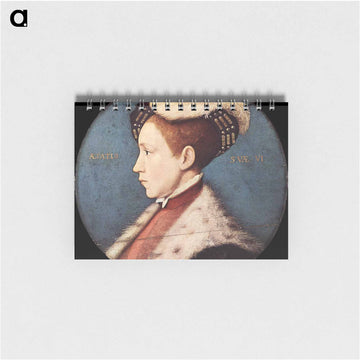
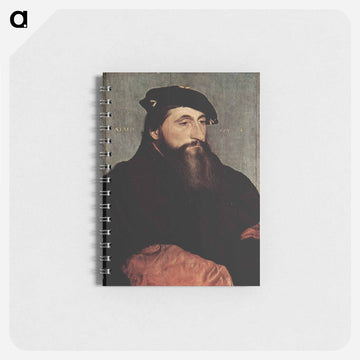
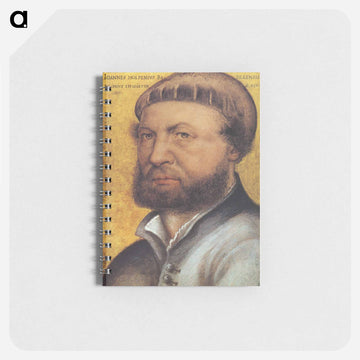
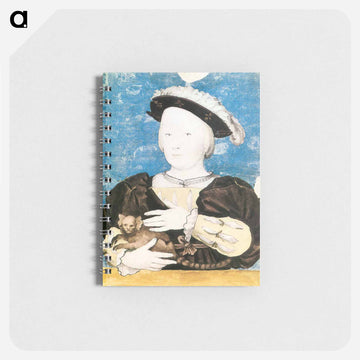
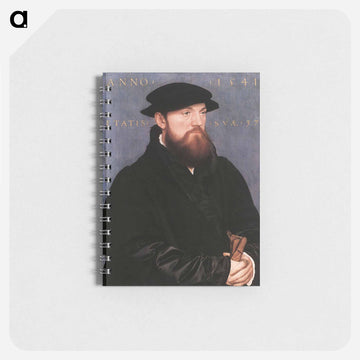
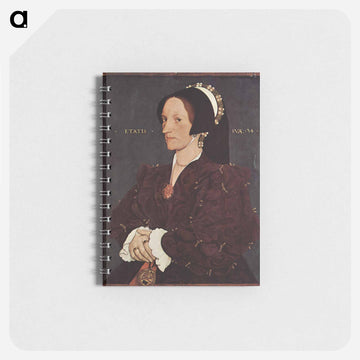
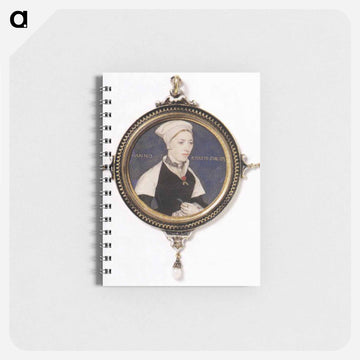
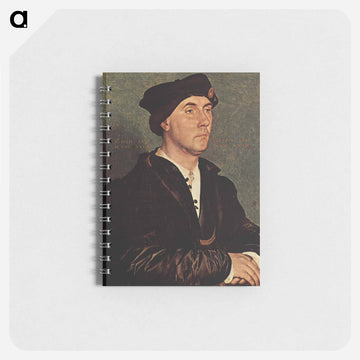
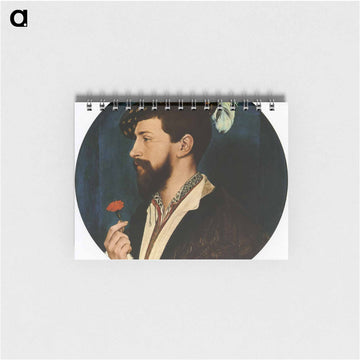
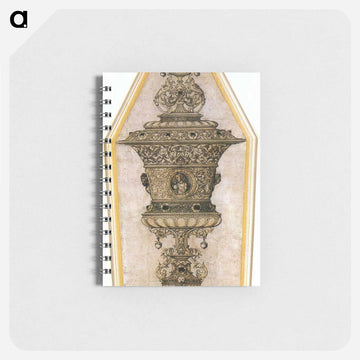
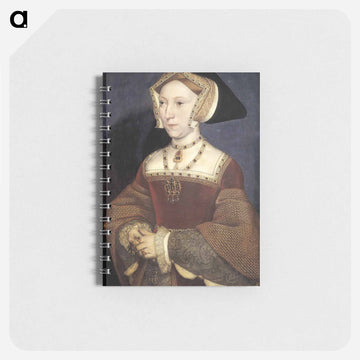
Hans Holbein the Younger
Hans Holbein the Younger is a representative painter of the 16th century German Renaissance. He brilliantly combined the realism of the Northern Renaissance with the style of the Italian Renaissance, and is highly regarded for his outstanding skill in portraying not only the external appearance but also the inner self of people, particularly in his portraits.
Hans Holbein the Younger Biography
-
Born in Augsburg, Germany in 1497/98, as the son of the painter Hans Holbein the Elder , he learned the basics of painting in his father's workshop.
-
He moved to Basel, Switzerland around 1515 and began working as a painter, producing illustrations and portraits for scholars and publications, including the humanist Erasmus.
-
In 1526 , to escape the chaos of the Protestant Reformation, he traveled to London for the first time with a letter of introduction from Erasmus, where he painted portraits of influential people in England, including Thomas More.
-
In 1528 he returned to Basel, but the religious situation became increasingly difficult, so he returned to London.
-
In 1532 he returned to London and painted portraits of German merchants.
-
He was appointed chief court painter to King Henry VIII of England around 1536 , and produced many official portraits of the king, his queen, and courtiers.
-
He died of the plague in London in 1543 (aged around 45).
Representative works
-
The Ambassadors (1533)
-
Portrait of Henry VIII (c. 1537)
-
Portrait of Erasmus of Rotterdam (1523)
-
Portrait of Sir Thomas More (1527)
-
Dead Christ in the Tomb (1521)
-
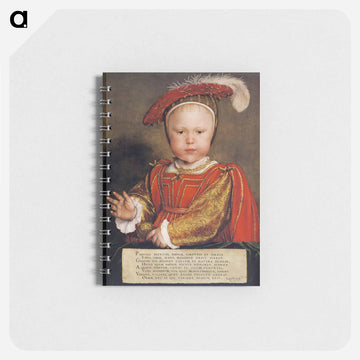
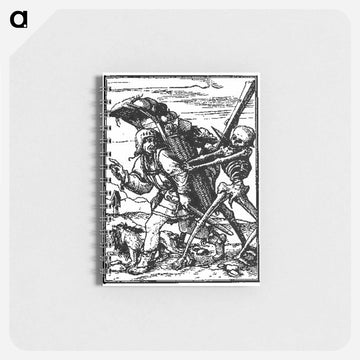
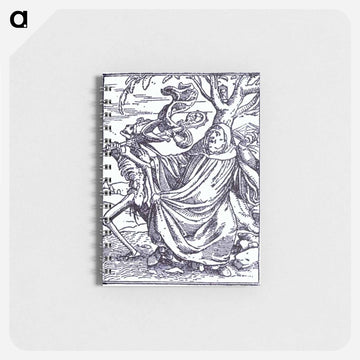
Woodblock print series "Dance of Death" (c. 1523-26)
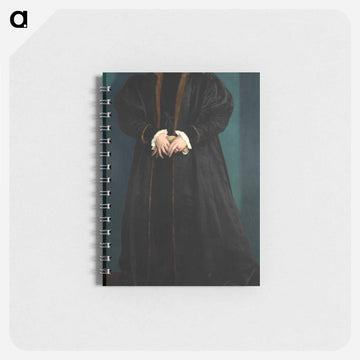
Holbein is known for his realistic style, in which he observes his subjects with a cold, objective perspective and depicts them precisely down to the smallest detail. His portraits eloquently convey the personalities and backgrounds of his subjects by meticulously depicting the lavish clothing and jewelry that indicate the model's social status, as well as the various objects in the background. In particular, "The Ambassadors" is imbued with complex allegory, including the skull, which is depicted using anamorphosis, demonstrating his intelligence and high level of skill.
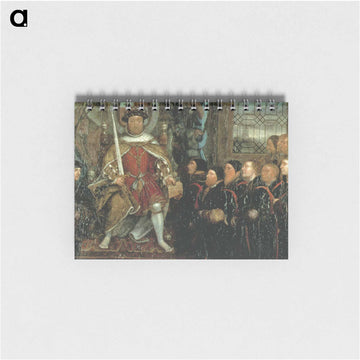
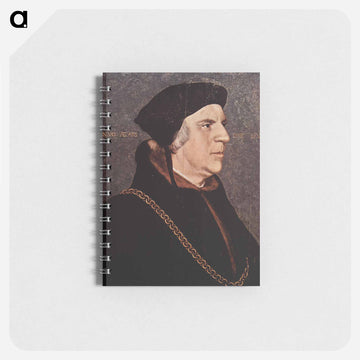
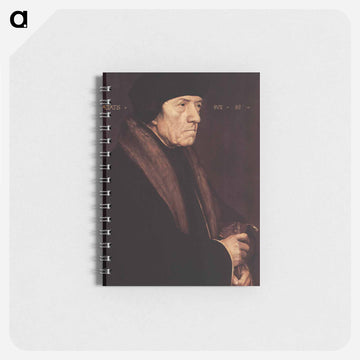
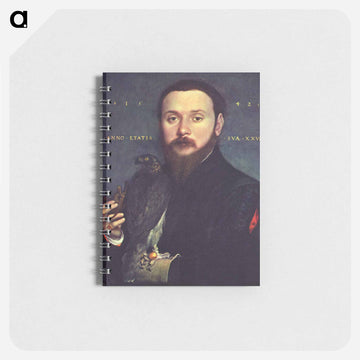
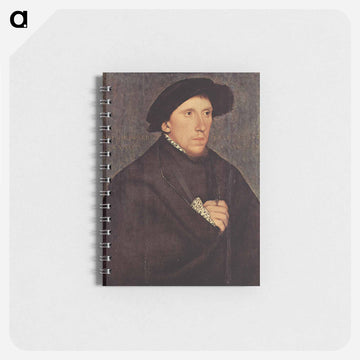
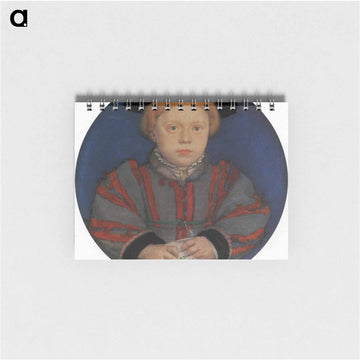
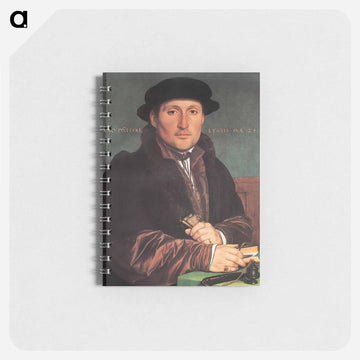
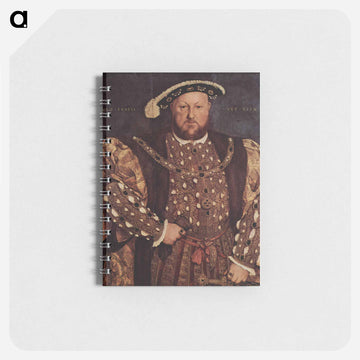
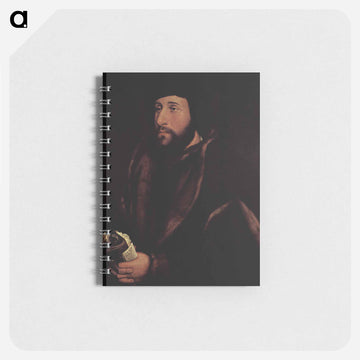
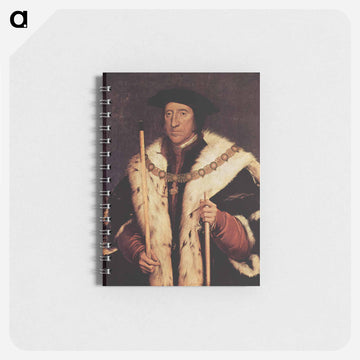
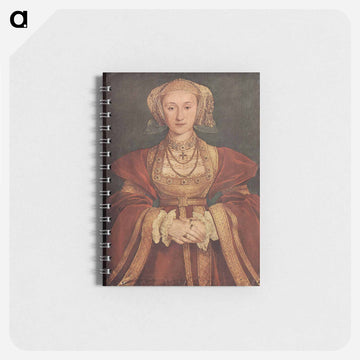
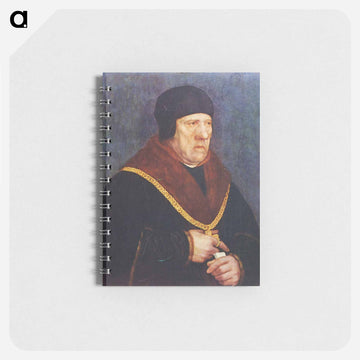
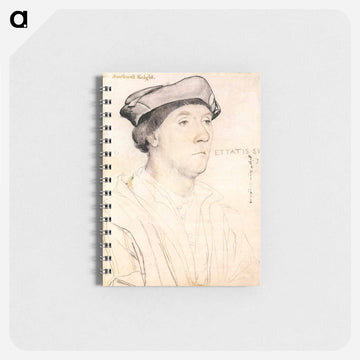
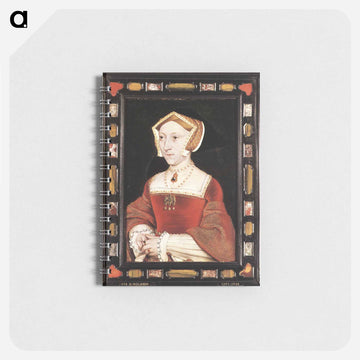
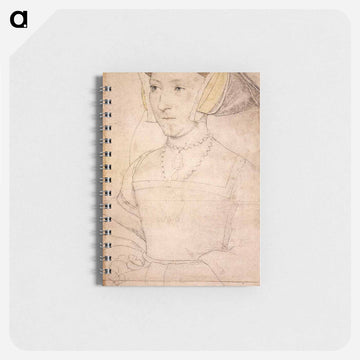
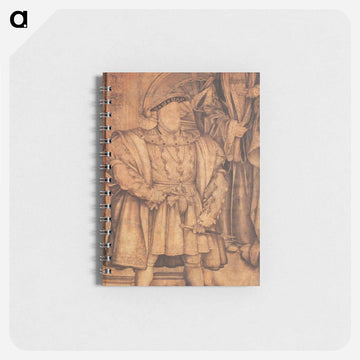
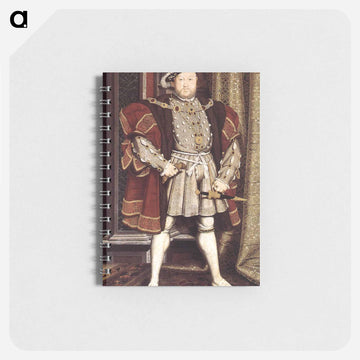
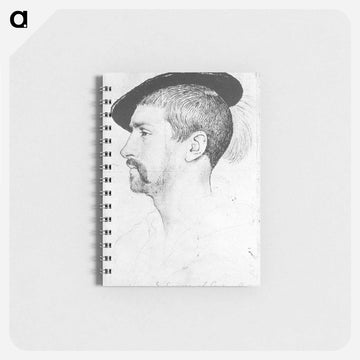
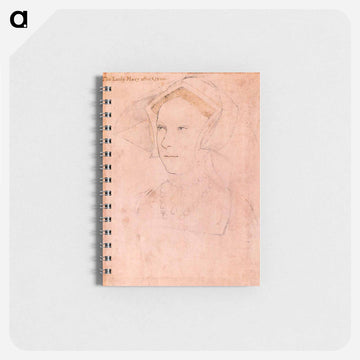
Although he also produced excellent works of religious art, his true worth lies in the numerous portraits he produced as court painter to Henry VIII. These works, which capture the majesty of the king and the humanity of his courtiers as they truly are, are considered to be more than mere documentary works; they are also highly valued as important historical documents of the Tudor period. His objective, calm perspective and outstanding descriptive ability had a great influence on portrait painters of later generations.

Related Products
-

Hans Holbein the Younger(ハンス ホルバイン)
Death of the Virgin - Hans Holbein Phone Case.
Sale price From ¥3,480 Regular price ¥4,280Unit price /Unavailable

Until today's order deadline
Please note that if you exceed this time your order will be processed on the next business day.
