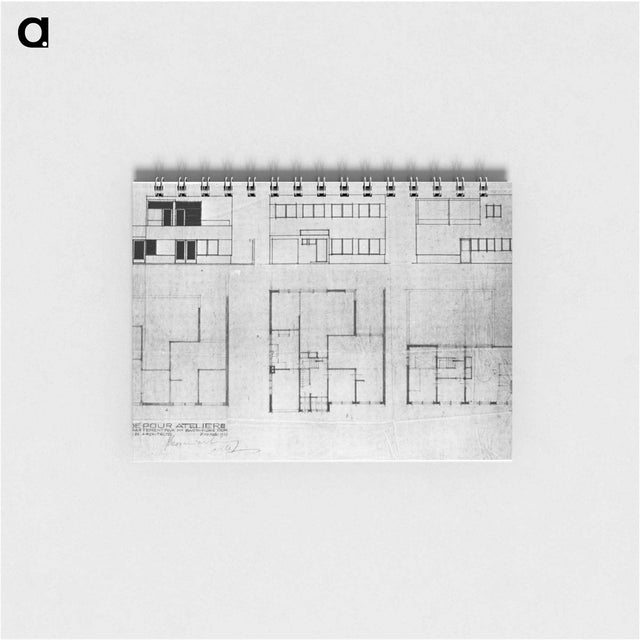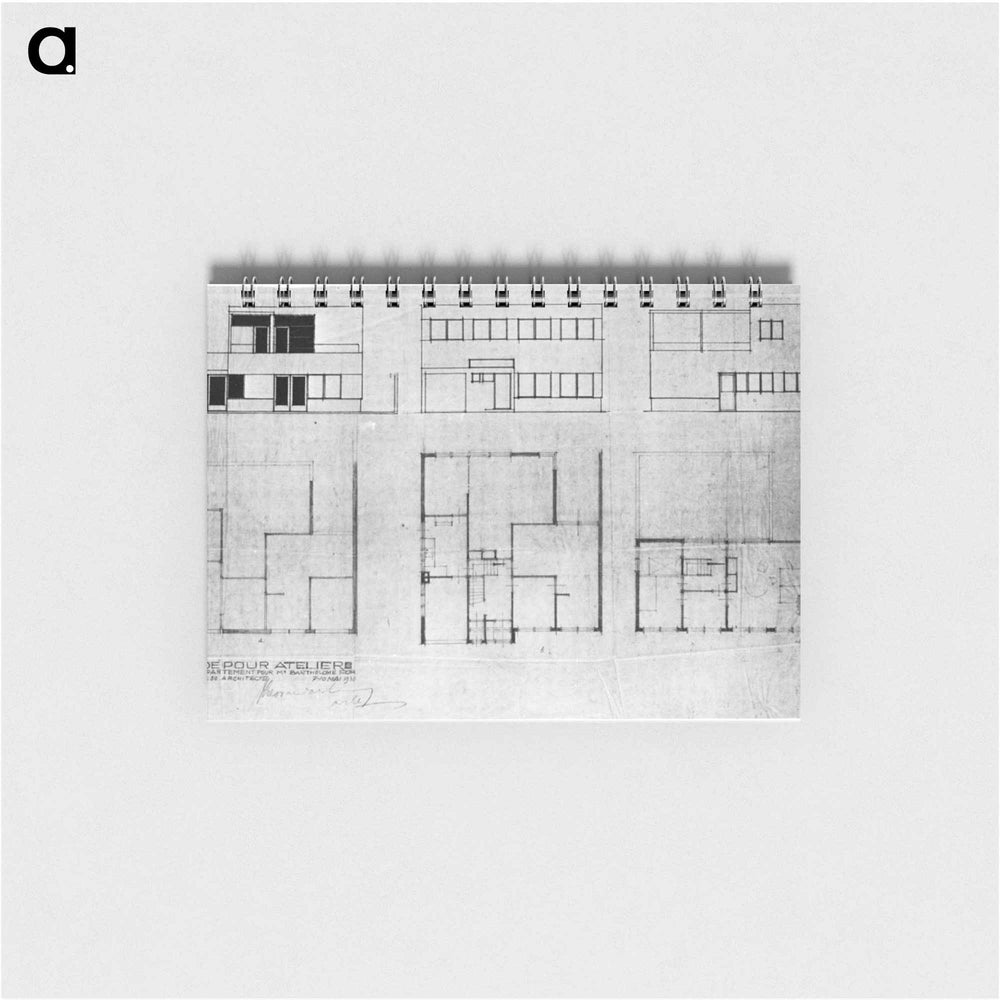
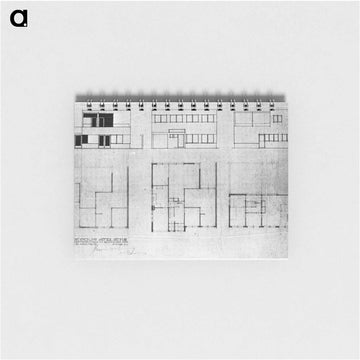
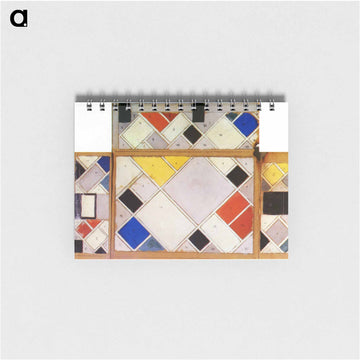
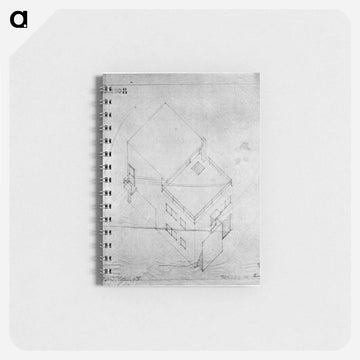
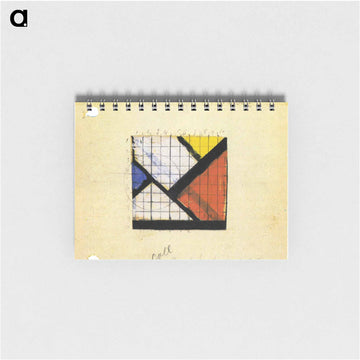
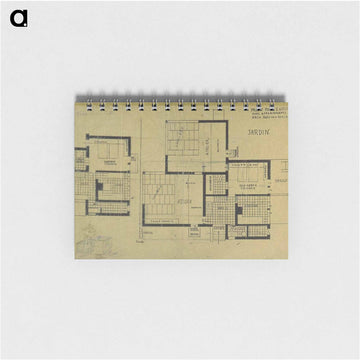
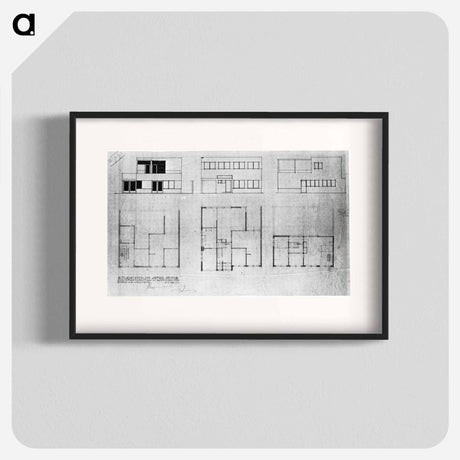
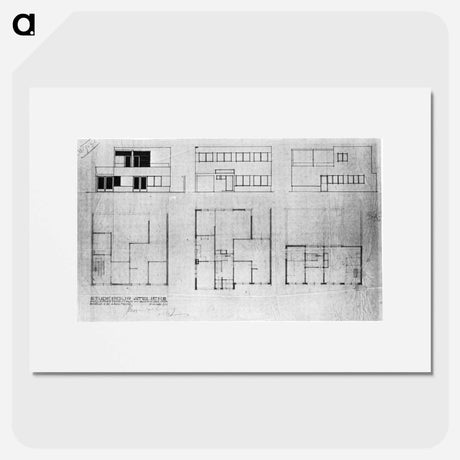
Design for a house and studio for Bertalan Pór, elevations and plans - Theo van Doesburg Memo.
Design for a house and studio for Bertalan Pór, elevations and plans - Theo van Doesburg Memo. - B6(128×182) is backordered and will ship as soon as it is back in stock.
【出荷予定について】
※土日祝定休
Product Description
Product Description
artgraph. Original masterpiece memo pad
Three features that make it a popular choice
1. Choose the size that best suits your needs
Available in B6 size, it is compact, easy to carry, and perfect for use as a memo pad.
2. Thick, smooth, high-quality paper
It uses high-quality paper that is stronger and thicker than regular notebooks. If you often write and refer back to it, like in an idea book, the bumps on the previous page won't stand out, making it easy to write on the next page.
3. A perfect gift for art-loving loved ones
The notebook section has no lines, so it's also recommended as a gift for art lovers who want to draw a little or carry a sketchbook with them!
It is printed on both sides so it can be opened either left or right.
*Due to misalignment of the printing area or changes to the trimming position, there may be missing parts in the print of the work.
- B6: 120 pages (60 sheets) / Silver ring color
| Work name | Design for a house and studio for Bertalan Pór, elevations and plans (This work is known as the "Paul House" or "Design for the Paul House" because it was designed by Van Doesburg and is a design for a house and studio for Bertalan Pór. Paul House ) |
| Author name | Theo van Doesburg |
| Production date | ? |
| Related keywords | These Theo van Doesburg works, starting with the letter "Ta," are from the Netherlands, represent De Stijl, and are a 20th-century Neoplasticism and abstract art. These notebooks, ring notebooks, memo pads, and ring memo pads are perfect for interior decor, stylish paintings, masterpieces, landscapes, and more. They are perfect for personal use in the living room, dining room, bedroom, kitchen, bathroom, or entryway, or as display reproductions in model rooms, offices, shops, hotels, cafes, and more. They also make great gifts for birthdays and other special occasions. |
| Related Keywords | |
| Management number | 2-66 |
We strive to make our product photos as close to the actual colors as possible, but the colors may differ from the actual product depending on your monitor settings and room lighting.
Each material may have different nuances, but we hope you enjoy the texture.
About delivery
About delivery
Please allow 3 business days for posters only and 10 business days for framed or canvas products.
Other products will take approximately 10 to 14 business days.
Business days: Monday to Friday Closed: Saturday, Sunday and public holidays
*Delivery may take longer than usual depending on the size, color, and quantity. If you are in a hurry or considering purchasing multiple items, please contact us in advance.
Refunds and Exchanges
Refunds and Exchanges
Refunds and Exchanges
If there is a problem with the product you received, please contact us immediately within 7 days of receiving it.
■ Contact details for returns and exchanges
info@artgraph.jp
refund
If there is a problem with the product, please see "Refunds and Exchanges" above.
cancel
Cancellation and refunds are possible before production has started, but if production has already ended, we will charge you the full amount.
Learn more
Design for a house and studio for Bertalan Pór, elevations and plan...
You can order with confidence.
Payment methods
Please be assured that artgraph. does not store any credit card information and has no access to your credit card information.
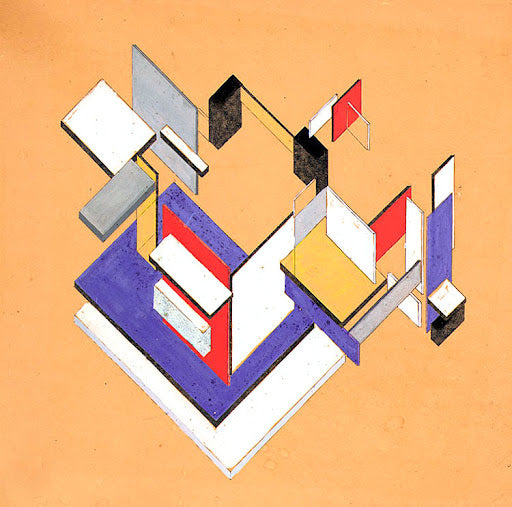
Theo van Doesburg
Theo van Doesburg was an artist active in the Netherlands in the early 20th century. He was active in a wide range of fields as a painter, architect, designer, and theorist, and is particularly known as one of the founders of the avant-garde art movement De Stijl . His abstract, geometric works and theories on art had a major influence on later art and design. Many people interested in modernist art often search for his work using keywords such as "Theo van Doesburg De Stijl," "Theo van Doesburg architecture," and "Theo van Doesburg Constructivism."
Theo van Doesburg Biography
- Born August 30, 1883 in Utrecht, the Netherlands
- He started out as a stage actor and journalist.
- He began painting in the early 1910s, producing works influenced by Post-Impressionism and Cubism.
- In 1917, he founded the art movement "De Stijl" with Piet Mondrian and others, and launched a magazine of the same name.
- Based on the principles of De Stijl, he is active in a wide range of fields, including painting, architecture, and design.
- In the 1920s, he also had connections with the Bauhaus and developed the theories of constructivism and elementalism.
- From the late 1920s onwards, he advocated his own artistic theory called "representational art" and produced works using more concrete forms.
- Died on March 7, 1931 in Davos, Switzerland (aged 47)
Representative works
- Rhythm of a Russian Dance (1918)
- Counter-Composition V (1924)
- Arithmetic Composition (1930)
- The Cow (c. 1917) - Pre-De Stijl work
- Interior design of the Schroder House (Utrecht, in collaboration with Gerrit Rietveld)
Van Doesburg's art, based on the principles of De Stijl , pursues pure abstraction and universality. He argued that paintings, architecture, and design should be composed using only limited elements: horizontal and vertical lines, primary colors, and achromatic colors. His works are characterized by clear, geometric forms and vivid colors, and are widely recognized as his most important achievements, with keywords such as "Theo van Doesburg - De Stijl" and "Theo van Doesburg - Abstract Painting ." His "Counter Composition" series in particular is highly regarded as the purest expression of De Stijl's principles.
Van Doesburg was not only active in painting, but also in the fields of architecture and design, and his versatile activities have been attracting attention with keywords such as "Theo van Doesburg architecture" and "Theo van Doesburg design." He applied the principles of De Stijl to architectural spaces, pursuing functional and rational designs.
During his short life, van Doesburg was passionate about artistic innovation and, as a central figure in De Stijl, left a significant mark on 20th-century art and design. His works and theories influenced the avant-garde art movement not only in the Netherlands but throughout Europe, making a significant contribution to the development of contemporary art. His works are housed in major museums in the Netherlands, and you can find information on museums where you can view his works by searching for "Theo van Doesburg works" and "Theo van Doesburg Museum."


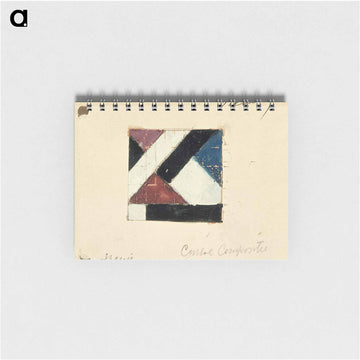
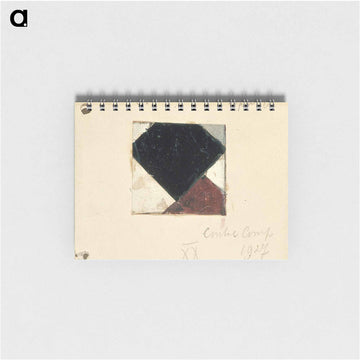
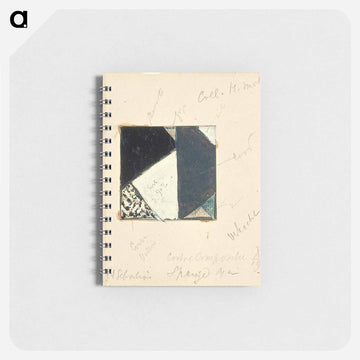
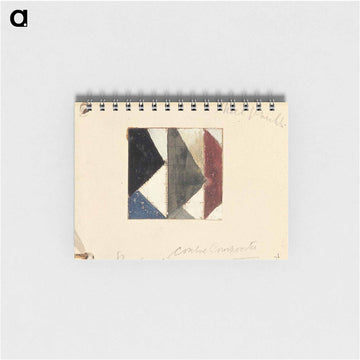
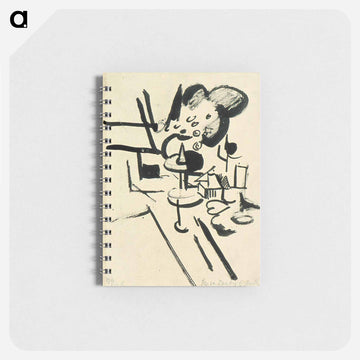
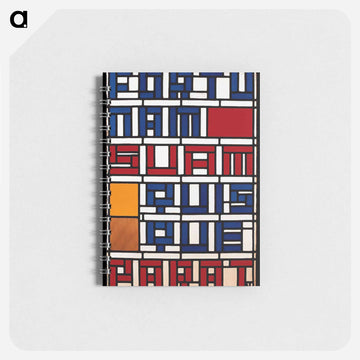
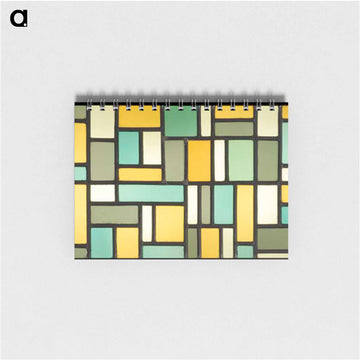
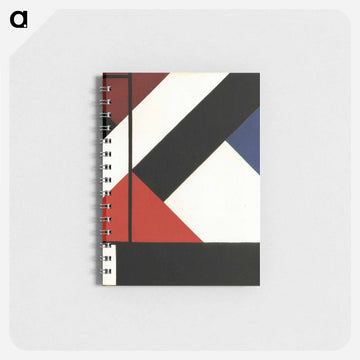

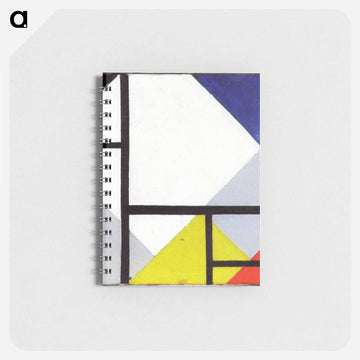
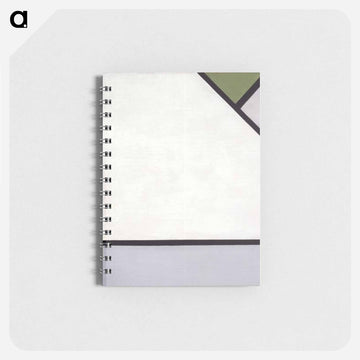
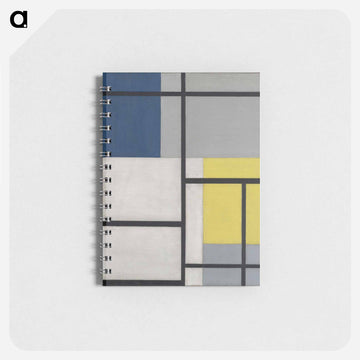
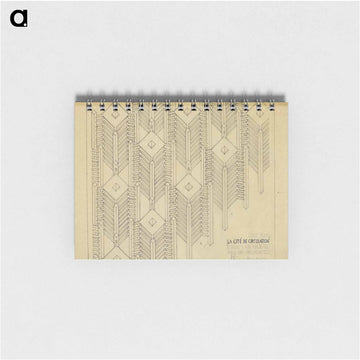
Related Products
-
Theo van Doesburg(テオ ファン ドゥースブルフ)
Design for a house and studio for Bertalan Pór, elevations and plans - Theo van Doesburg Poster.
Sale price From ¥1,800 Regular price ¥2,280Unit price /Unavailable -
-
Theo van Doesburg(テオ ファン ドゥースブルフ)
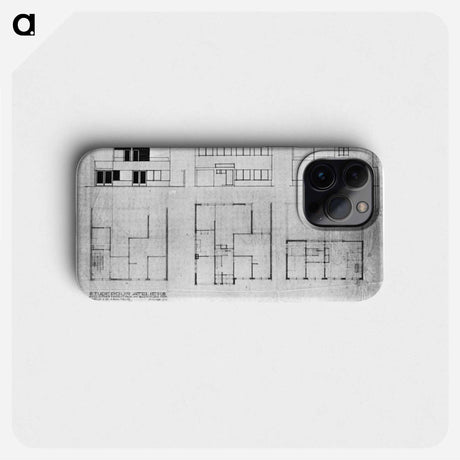
Design for a house and studio for Bertalan Pór, elevations and plans - Theo van Doesburg Phone Case.
Sale price From ¥3,480 Regular price ¥4,280Unit price /Unavailable -
Theo van Doesburg(テオ ファン ドゥースブルフ)
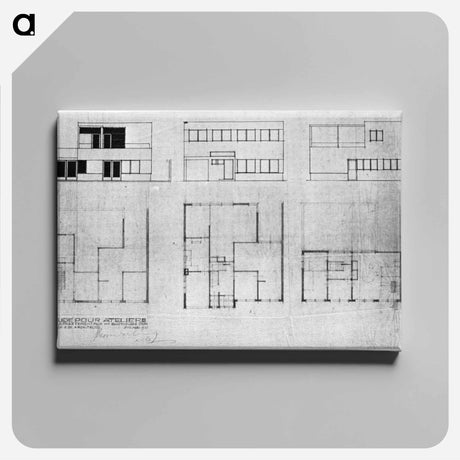
Design for a house and studio for Bertalan Pór, elevations and plans - Theo van Doesburg Canvas.
Sale price From ¥6,800 Regular price ¥8,800Unit price /Unavailable -
Theo van Doesburg(テオ ファン ドゥースブルフ)
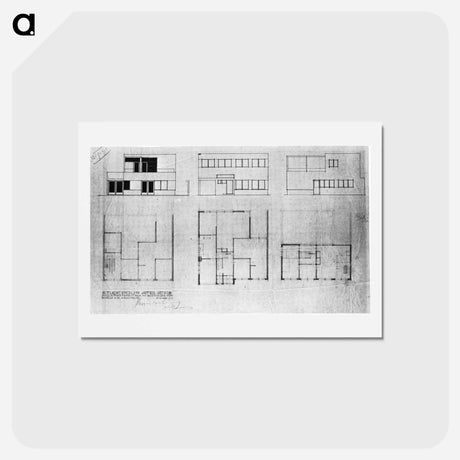
Design for a house and studio for Bertalan Pór, elevations and plans - Theo van Doesburg Postcard.
Sale price From ¥780 Regular price ¥1,100Unit price /Unavailable
Until today's order deadline
Please note that if you exceed this time your order will be processed on the next business day.