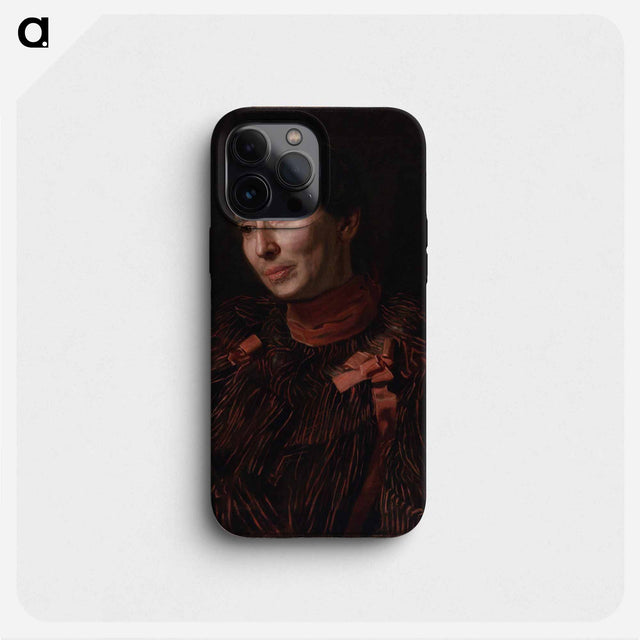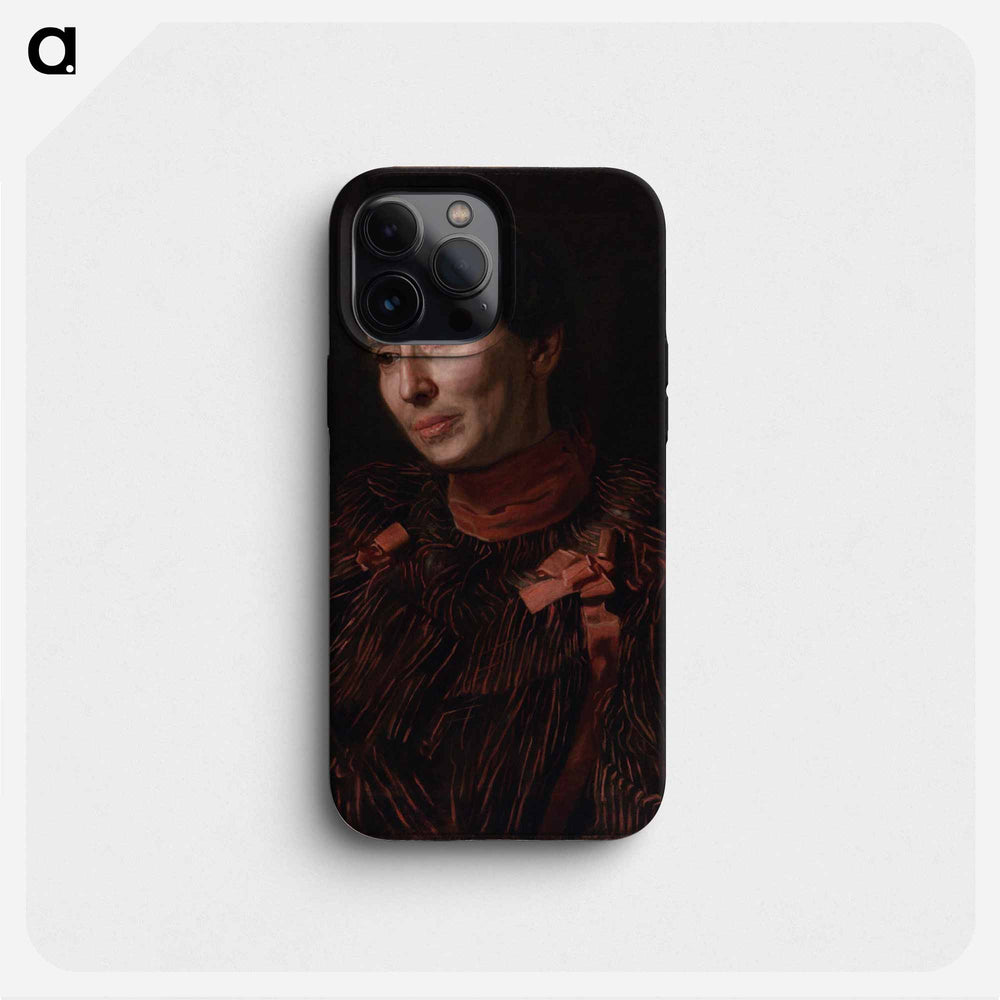


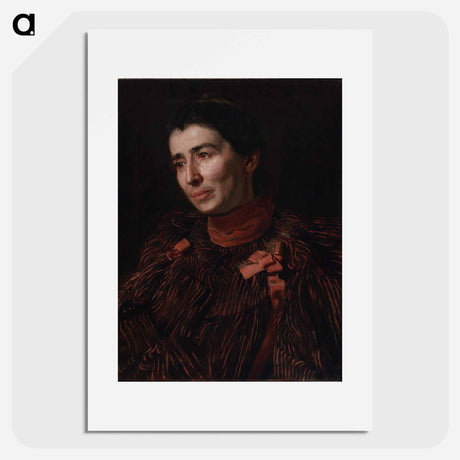
Portrait of Mary Adeline Williams - Thomas Eakins Phone Case.
Portrait of Mary Adeline Williams - Thomas Eakins Phone Case. - iPhone 17 is backordered and will ship as soon as it is back in stock.
【出荷予定について】
※土日祝定休
製品説明
製品説明
artgraph. Original smartphone case featuring famous paintings
●Designed with attention to detail
This is a smartphone case with full-print details, including the sides and around the camera. The composition is adjusted for each model so that the art stands out.
*The product image is a centered sample. The crop position of the original image will vary depending on the aspect ratio of the device, so please contact us in advance if you have any concerns.
*Although some parts are not printed on the entire surface, the printing position will be adjusted by hand when delivered.
*Due to misalignment of the printing range or changes to the cropping position, there may be loss of the outer image.
●Elegant finish
The matte texture with no gloss gives it a sophisticated and chic impression, and it feels smooth and comfortable in your hand.
●Safe even if dropped
Made from impact-resistant polycarbonate material, it is lightweight and slim, yet provides excellent protection for your precious smartphone.
*There are no covers on the top and bottom sides, allowing you to easily insert charging cables, earphones, etc.
| Work name | Portrait of Mary Adeline Williams ) |
| Author name | Thomas Eakins |
| Production date | 1900 |
| Related keywords | Thomas Eakins, American, Realism, 19th Century, 20th Century, Portrait Painter, Photography, Art, Smartphone Case, Xperia, AQUOS, Galaxy, iPhone Case, iPhone 16, iPhone 15, iPhone 14, iPhone 13, 12, Pro, mini, iPhone 11, iPhone SE, 4th Generation, 3rd Generation, 2nd Generation, Interior, Stylish, Painting, Masterpiece, Landscape, Landscape, Miscellaneous Goods, Vintage, Retro, Entryway, Living Room, Dining Room, Bedroom, Kitchen, Bathroom, Entrance, etc., For your own use, or as a display reproduction for model rooms, offices, shops, hotels, cafes, etc. Also popular as a birthday gift or for celebrations. |
| Related Keywords | |
| Management number | 2-58 |
商品写真はできる限り実物の色に近づけるよう徹底しておりますが、 お使いのモニター設定、お部屋の照明等により実際の商品と色味が異なる場合がございます。
素材ごとに異なるニュアンスが生まれることもございますが、風合いとしてお楽しみいただければ幸いです。
お届けについて
お届けについて
出荷までの期間はポスターのみは3営業日、額装込み・キャンバス製品は10営業日程度いただいております。
それ以外の製品は10〜14営業日程度いただいております。
営業日:月〜金曜
定休日 : 土・日曜日・祝日
※サイズ・色・点数によってお届けに通常より長くお時間をいただく場合がございます。お急ぎの場合や複数点数のご購入をご検討の場合は事前にお問い合わせください。
返金交換について
返金交換について
返金・交換に関して
到着した製品に不具合がございましたら到着より7日以内に速やかにご連絡ください。
■返品・交換などの連絡先
info@artgraph.jp
返金
商品に不具合が有った場合は上記「返金・交換」をご覧下さい。
キャンセル
生産開始前であればキャンセル・返金可能ですが、生産が終了している場合は全額ご請求とさせていただきます
詳しくはこちら
Portrait of Mary Adeline Williams - Thomas Eakins Phone Case.

Portrait of Mary Adeline Williams - Thomas Eakins Phone Case. - iPhone 17 is backordered and will ship as soon as it is back in stock.
安心してご注文いただけます。
Payment methods
artgraph.では運営側でクレジットカード情報を保存せず、お客様のクレジットカード情報にアクセスすることはできませんので安心してご利用ください。
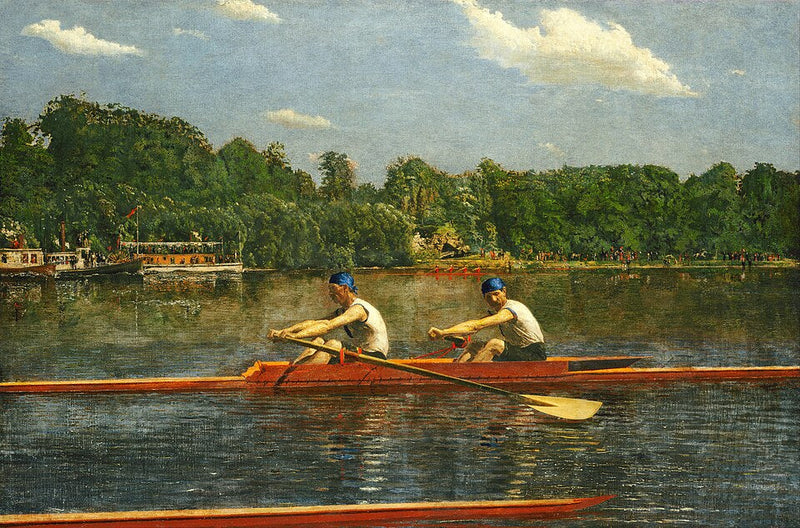
Thomas Eakins
Thomas Eakins was one of the most important American realist painters active in the late 19th and early 20th centuries, and was also a photographer, sculptor, and art educator. He is known for his uncompromising realism and deep pursuit of portraying people and the real world as they really are. His work, which covers portraits, scenes from everyday life, sports, and particularly medical and scientific subjects, often arouses controversy for its direct depiction.
Thomas Eakins Biography
- Born July 25, 1844 in Philadelphia, Pennsylvania, USA.
- Around 1861, he enrolled at the Pennsylvania Academy of the Fine Arts to study painting and drawing, and also attended anatomy classes at Jefferson Medical College, where he gained a deep understanding of the structure of the human body.
- From 1866 to 1869, he traveled to France and studied under Jean-Léon Gérôme at the École des Beaux-Arts in Paris, and also visited Spain, where he was deeply influenced by the realism of Spanish masters such as Velázquez and Ribera.
- In 1870, he returned to Philadelphia and began working as a portrait painter, often depicting outdoor scenes such as boating and hunting.
- In 1876, he exhibited "Gross Clinic" at the Philadelphia Centennial Exposition, but the realistic depiction of the surgical scenes sparked controversy and the work was exhibited in the medical section rather than the fine arts section.
- He began teaching at the Pennsylvania Academy of the Fine Arts around 1878, and while his innovative teaching methods (particularly the use of nude models and emphasis on anatomy) were highly praised, they also brought him into conflict with the conservative board of trustees.
- In 1886, he resigned from his professorship at the Pennsylvania Academy of the Fine Arts due to a controversy over his use of nude models, and subsequently taught at other schools, including the Art Students League of Philadelphia.
- He was also passionate about photography, which he used to supplement his athletic studies and painting.
- He died in Philadelphia on June 25, 1916, at the age of 71.
Representative works
- Max Schmitt in a Single Scull / The Champion Single Sculls (1871)
- The Gross Clinic (1875)
- William Rush and His Model (1876–1877 and several versions in 1908)
- Swimming / The Swimming Hole (1884–1885)
- The Agnew Clinic (1889)
- Walt Whitman (1887–1888)
The Art of Thomas Eakins
Thomas Eakins' art is consistent with the pursuit of strict realism. He believed in capturing his subjects as they were, without sentimentality or idealization. To that end, he diligently studied anatomy, gaining a deep understanding of the structure of the human skeleton and muscles before creating his works. He also actively utilized the new technology of photography as an aid to his painting, particularly in expressing movement and accurately depicting form.
His subjects were diverse, including portraits of people from his hometown of Philadelphia, sports scenes such as rowing and boxing, and surgical scenes symbolizing medical and scientific advances. Works such as "Gross Clinic" and "Agnew Clinic" are renowned for their medical accuracy and dramatic depictions, but they also sparked controversy as they were considered too graphic for the sensibilities of the time. Eakins sought to portray the inner lives, intellect, and even professional characteristics of his subjects, and his portraits are known for their deep psychological depictions. His realism was not limited to mere superficial depictions, but was underpinned by an intellectual spirit that sought to delve into the essence of his subjects.
The influence of Thomas Eakins and his later reputation
During his lifetime, Thomas Eakins was both praised and heavily criticized for his uncompromising realism and choice of subject matter. His innovative approach as an educator at the Pennsylvania Academy of the Fine Arts often clashed with the conservative art world of the time, ultimately leading to his resignation. However, many of his students went on to become important artists in American art.
After his death, Eakins' art was reevaluated, especially in the 20th century, and he established himself as one of the most important and influential painters in American art history. His work is highly regarded as a pioneering attempt to depict reality from a uniquely American perspective, rather than following European artistic trends. His work as a photographer is also renowned as a testament to his artistic foresight.
Today, Thomas Eakins is recognized worldwide as a master of American Realism and a major influence on subsequent American figurative painting. Keywords such as "American Realism," "portrait," "anatomy," "Gross Clinic," "Pennsylvania Academy of the Fine Arts," and "photography and painting" are important elements in understanding Eakins' art and its influence. His works are held in major museum collections, mainly in the United States, and his honest and powerful realism continues to attract many people today.
Recommend

Nude Woman Standing - Thomas Eakins Memo.

A Negress - Thomas Eakins Memo.

Woman Knitting - Thomas Eakins Memo.

William Rush Carving The Allegorical Figure Of The Schuylkill - Thomas Eakins Memo.

William H Macdowell - Thomas Eakins Memo.

Two nude boys boxing in atelier - Thomas Eakins Memo.

The Veteran (Portrait of Geo. Reynolds) - Thomas Eakins Memo.

The map - Thomas Eakins Memo.

Talcott Williams - Thomas Eakins Memo.

Swimming Hole sketch - Thomas Eakins Memo.

Study of Dr. Agnew for the Agnew Clinic - Thomas Eakins Memo.

Study of a Horse's Leg for the Fairman Rogers Four in Hand - Thomas Eakins Memo.

Study of a Girl's Head - Thomas Eakins Memo.

Studies of Game Birds, probably Viginia Rails - Thomas Eakins Memo.

Studies of a Baby - Thomas Eakins Memo.

Standing Nude (Samuel Murray) - Thomas Eakins Memo.

Sketch of an interior - Thomas Eakins Memo.

Sketch for the Pathetic Song - Thomas Eakins Memo.

Sketch for The Chess Players - Thomas Eakins Memo.

Sketch for In Grandmother's Time - Thomas Eakins Memo.

Sketch for Between Rounds - Thomas Eakins Memo.

Samuel Murray - Thomas Eakins Memo.

Sailboats Racing' Study of the Delaware River - Thomas Eakins Memo.

Portraits - Thomas Eakins Memo.

Portraits - Thomas Eakins Memo.

Portraits - Thomas Eakins Memo.

Portraits - Thomas Eakins Memo.

Portraits - Thomas Eakins Memo.

Portraits - Thomas Eakins Memo.

Portrait of Mrs. Hubbard (sketch) - Thomas Eakins Memo.

Portrait of Harriet Husson Carville - Thomas Eakins Memo.

Portrait of General E. Burd Grubb - Thomas Eakins Memo.

Portrait of Francesco Romano - Thomas Eakins Memo.

Portrait of Frances Eakins - Thomas Eakins Memo.

Portrait of Elizabeth R. Coffin - Thomas Eakins Memo.

Portrait of Dr. William Thompson - Thomas Eakins Memo.

Portrait of Charles Linford, the Artist - Thomas Eakins Memo.

Portrait of Charles Edmund Dana - Thomas Eakins Memo.

Portrait of Alfred Reynolds in the Taubman Museum of Art - Thomas Eakins Memo.

Portrait of Alfred Bryan Wall - Thomas Eakins Memo.

Portrait - Thomas Eakins Memo.

Portrait - Thomas Eakins Memo.

Portrait - Thomas Eakins Memo.

Portrait - Thomas Eakins Memo.

Portrait - Thomas Eakins Memo.

Photograph study for The Wrestlers - Thomas Eakins Memo.

Perspective Drawing for The Biglin Brothers Turning the Stake - Thomas Eakins Memo.

Perspective Drawing for The Biglin Brothers Turning the Stake - Thomas Eakins Memo.

Perspective Drawing for Hunting - Thomas Eakins Memo.

Perspective drawing for baseball players practicing - Thomas Eakins Memo.
SNSでご紹介いただきました


関連製品
-
Thomas Eakins(トーマス エイキンズ)
Portrait of Mary Adeline Williams - Thomas Eakins Poster.
Sale priceFrom ¥1,900 Regular price ¥2,280Unit price -
-
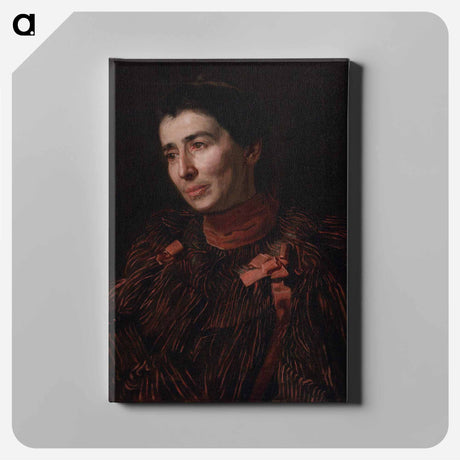
Thomas Eakins(トーマス エイキンズ)
Portrait of Mary Adeline Williams - Thomas Eakins Canvas.
Sale price ¥6,800 Regular price ¥8,800Unit price -
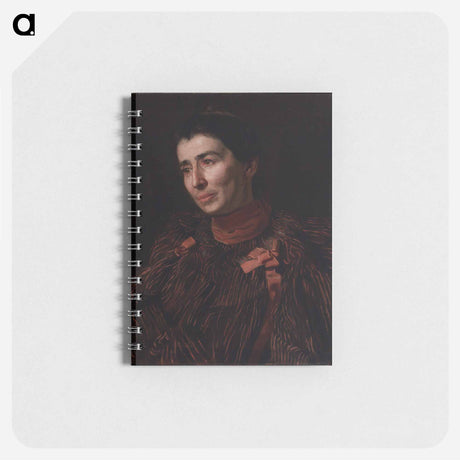
Thomas Eakins(トーマス エイキンズ)
Portrait of Mary Adeline Williams - Thomas Eakins Memo.
Sale price ¥2,800 Regular price ¥3,480Unit price -
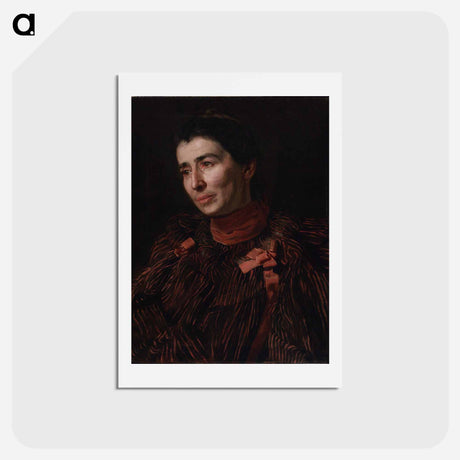
Thomas Eakins(トーマス エイキンズ)
Portrait of Mary Adeline Williams - Thomas Eakins Postcard.
Sale priceFrom ¥780 Regular price ¥1,100Unit price
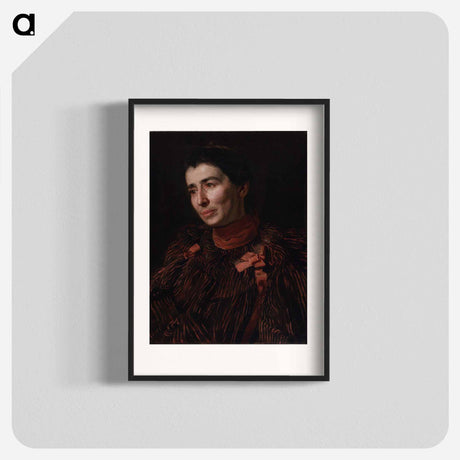
本日のご注文受付終了まで
時間が過ぎると翌営業日のご注文扱いとなりますのでご了承くださいませ。
Smartphone casesをさらに見る
View all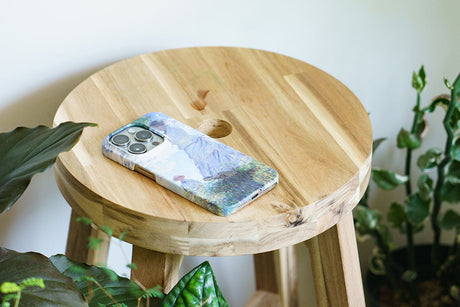
-
 ベストセラー
Amedeo Modigliani(アメデオ モディリアーニ)
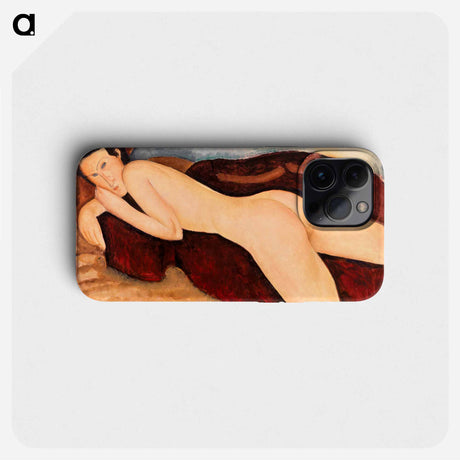
Reclining Nude from the Back - Amedeo Modigliani Phone Case.
Sale priceFrom ¥3,480 Regular price ¥4,280Unit price -
 ベストセラー
Claude Monet(クロード モネ)
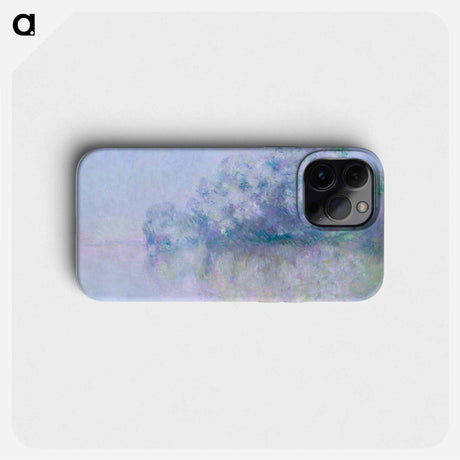
Île aux Orties near Vernon - Claude Monet Phone Case.
Sale priceFrom ¥3,480 Regular price ¥4,280Unit price -
 ベストセラー
Odilon Redon(オディロン ルドン)
Five Butterflies - Odilon Redon Phone Case.
Sale priceFrom ¥3,480 Regular price ¥4,280Unit price -
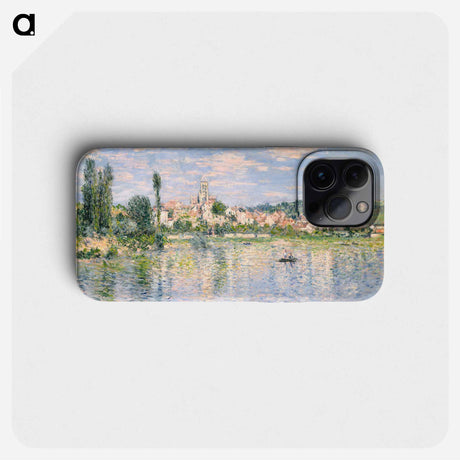
Claude Monet(クロード モネ)
Vétheuil in Summer - Claude Monet Phone Case.
Sale priceFrom ¥3,480 Regular price ¥4,280Unit price -
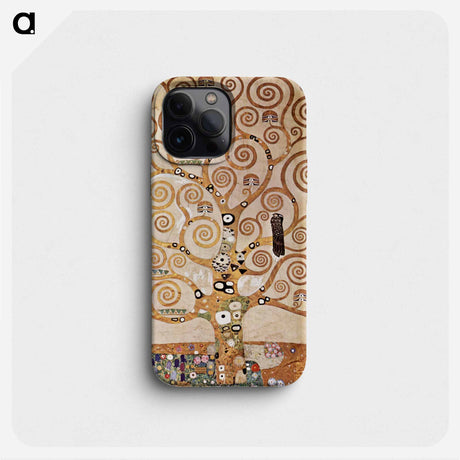
Gustav Klimt(グスタフ クリムト)
L'Arbre de Vie - Gustav Klimt Phone Case.
Sale priceFrom ¥3,480 Regular price ¥4,280Unit price -
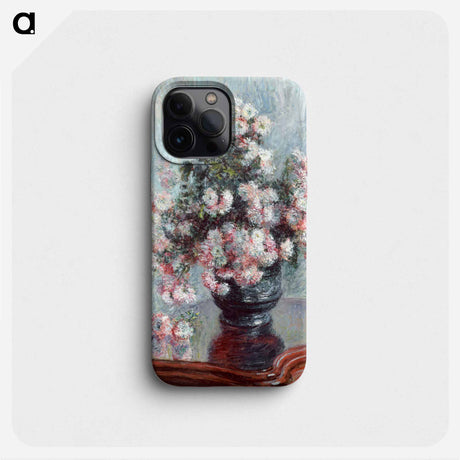
Claude Monet(クロード モネ)
Chrysanthemums - Claude Monet Phone Case.
Sale priceFrom ¥3,480 Regular price ¥4,280Unit price -

Claude Monet(クロード モネ)
View of Vétheuil - Claude Monet Phone Case.
Sale priceFrom ¥3,480 Regular price ¥4,280Unit price -
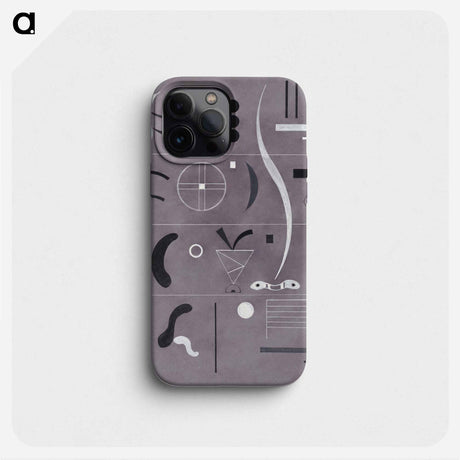 ベストセラー
Wassily Kandinsky(ワシリー カンディンスキー)
Four Parts - Wassily Kandinsky Phone Case.
Sale priceFrom ¥3,480 Regular price ¥4,280Unit price