


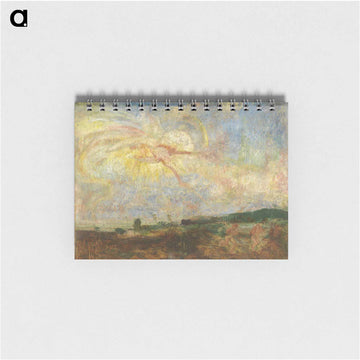
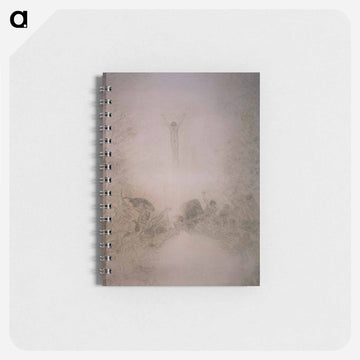
Christ Rising Up to Heaven - James Ensor Memo.
Christ Rising Up to Heaven - James Ensor Memo. - B6(128×182) is backordered and will ship as soon as it is back in stock.
【出荷予定について】
※土日祝定休
Product Description
Product Description
artgraph. Original masterpiece memo pad
Three features that make it a popular choice
1. Choose the size that best suits your needs
Available in B6 size, it is compact, easy to carry, and perfect for use as a memo pad.
2. Thick, smooth, high-quality paper
It uses high-quality paper that is stronger and thicker than regular notebooks. If you often write and refer back to it, like in an idea book, the bumps on the previous page won't stand out, making it easy to write on the next page.
3. A perfect gift for art-loving loved ones
The notebook section has no lines, so it's also recommended as a gift for art lovers who want to draw a little or carry a sketchbook with them!
It is printed on both sides so it can be opened either left or right.
*Due to misalignment of the printing area or changes to the trimming position, there may be missing parts in the print of the work.
- B6: 120 pages (60 sheets) / Silver ring color
| Work name | Christ Rising Up to Heaven ) |
| Author name | James Ensor |
| Production date | 1885 |
| Related keywords | James Ensor, Belgian, Symbolism, Expressionism, 19th century, 20th century, masks, skeletons, satire, art, notebook, ring notebook, memo, memo book, memo pad, ring memo, interior, stylish, painting, painting, masterpiece, landscape, scenery, miscellaneous goods, vintage, retro, entryway, living room, dining room, bedroom, kitchen, bathroom, entrance, etc. For your own use, or as a display reproduction for model rooms, offices, shops, hotels, cafes, etc. Also great as a gift for birthdays and other celebrations. |
| Related Keywords | |
| Management number | 1-11 |
We strive to make our product photos as close to the actual colors as possible, but the colors may differ from the actual product depending on your monitor settings and room lighting.
Each material may have different nuances, but we hope you enjoy the texture.
About delivery
About delivery
Please allow 3 business days for posters only and 10 business days for framed or canvas products.
Other products will take approximately 10 to 14 business days.
Business days: Monday to Friday Closed: Saturday, Sunday and public holidays
*Delivery may take longer than usual depending on the size, color, and quantity. If you are in a hurry or considering purchasing multiple items, please contact us in advance.
Refunds and Exchanges
Refunds and Exchanges
Refunds and Exchanges
If there is a problem with the product you received, please contact us immediately within 7 days of receiving it.
■ Contact details for returns and exchanges
info@artgraph.jp
refund
If there is a problem with the product, please see "Refunds and Exchanges" above.
cancel
Cancellation and refunds are possible before production has started, but if production has already ended, we will charge you the full amount.
Learn more

Christ Rising Up to Heaven - James Ensor Memo.
You can order with confidence.
Payment methods
Please be assured that artgraph. does not store any credit card information and has no access to your credit card information.
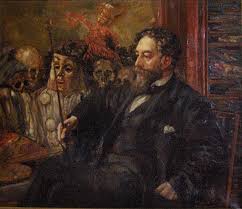
James Ensor
James Ensor
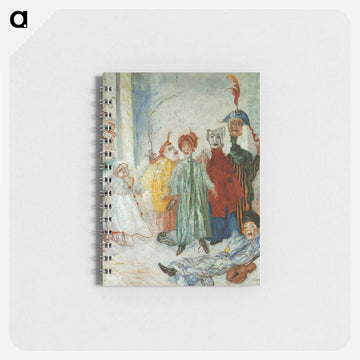
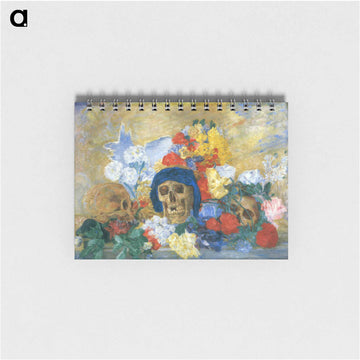
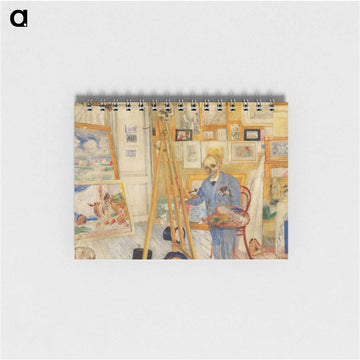
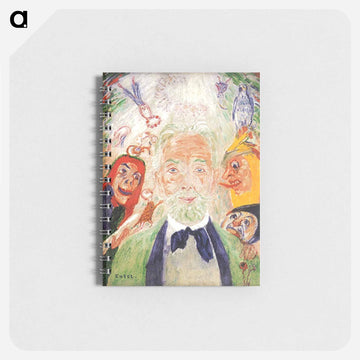
James Ensor was a Belgian painter active from the late 19th century through the 20th century. He is known for his works that frequently use eerie motifs such as skeletons and masks, and for his scathing satire of human hypocrisy and social corruption using vivid colors. His unique style of expression is highly regarded as a pioneer of Expressionism and Surrealism.
James Ensor Biography
-
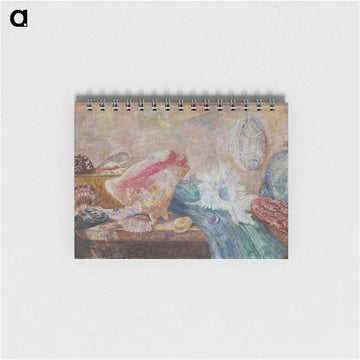
He was born to an English father and a Belgian mother in the Belgian port city of Ostend on April 13, 1860. His parents ran a souvenir shop, and the masks and seashells they sold there influenced his later work.
-
In 1877 he entered the Académie Royale des Beaux-Arts in Brussels, but rebelled against traditional education, dropped out after three years and returned to Ostend.
-
In 1883, he became a founding member of the avant-garde artist group "Les Vents (Group of Twenty)," but later became isolated within the group, as his radical style led to his works being rejected for exhibition.
-
In 1888 , he produced his masterpiece, "Christ's Entry into Brussels," which is considered a controversial work in art history, but it was rejected for exhibition at the "Les Vents" exhibition.
-
After about 1900 , his style became more subdued, and he began to spend more time reproducing and arranging older works, as well as writing.
-
In 1929 , his achievements were recognized when he was awarded the title of Baron by King Albert I.
-
He died on November 19, 1949, at the age of 89, in Ostend, where he had spent most of his life.
Representative works
-
Woman Eating Oysters (1882)
-
"Conspiracy" (1890)
-
"Christ's Entry into Brussels" (1888)
-
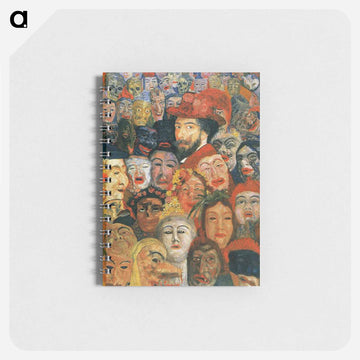
Self-Portrait in a Mask (1899)
-
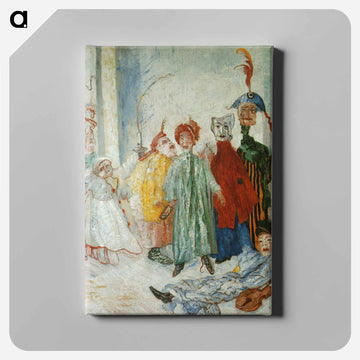
Strange Masks (1892)
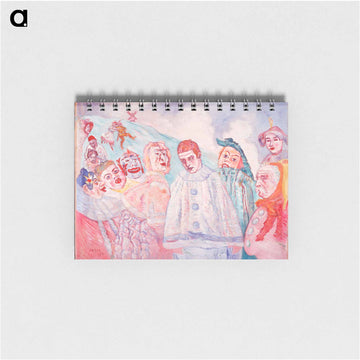
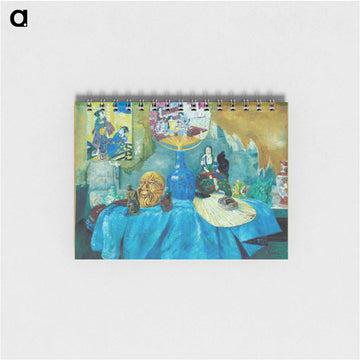
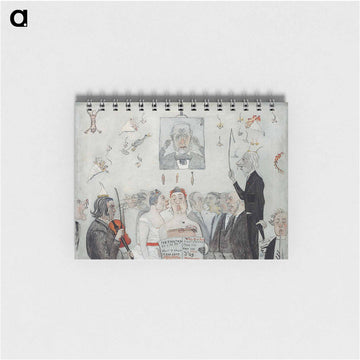
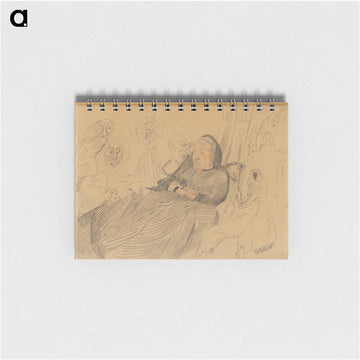
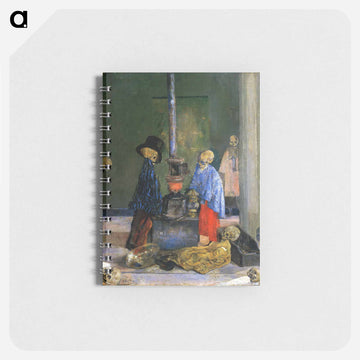
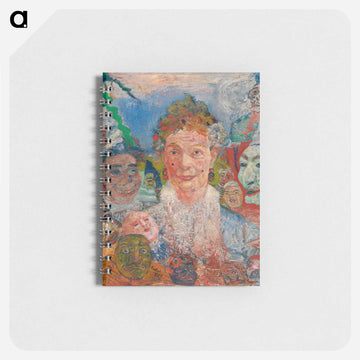
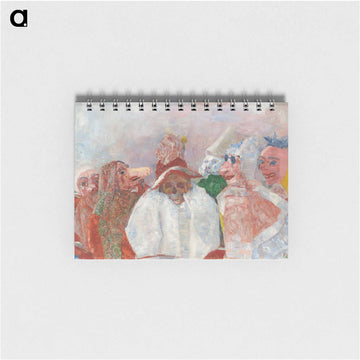
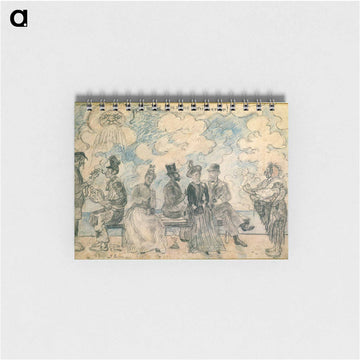
Ensor's early works consisted mainly of dark, realistic interiors and portraits. However, from the mid-1880s onwards, his style changed dramatically, and he began to use bright, intense colours and fill his paintings with fantastical motifs such as skeletons, masks and ghosts. The "mask" in his works functions as an important device for exposing social hypocrisy and the emptiness within people's inner selves.
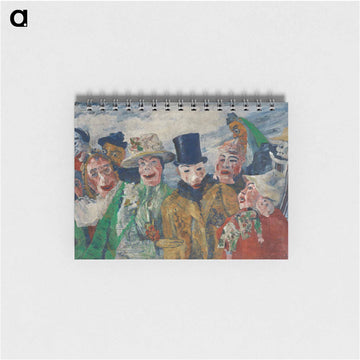
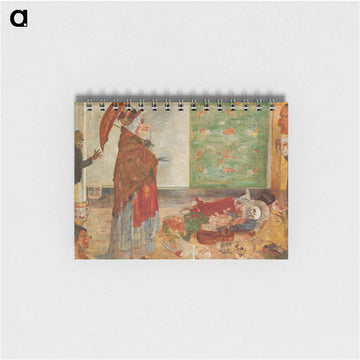
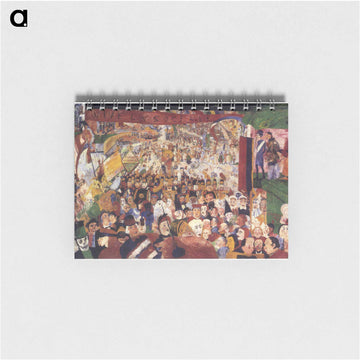
In his masterpiece, "Christ's Entry into Brussels," he depicted Christ amidst a raucous modern-day carnival crowd, transforming a religious theme into a scathing social satire. His visionary, grotesque, and often self-reflecting expressions were largely unappreciated by the conservative art world of the time, but they had a major influence on German Expressionist painters such as Emil Nolde and Paul Klee, and became one of the important sources of 20th century art.
Related Products
-

James Ensor(ジェームズ アンソール)
Christ Rising Up to Heaven - James Ensor Phone Case.
Sale price From ¥3,480 Regular price ¥4,280Unit price /Unavailable -

James Ensor(ジェームズ アンソール)
Christ Rising Up to Heaven - James Ensor Postcard.
Sale price From ¥780 Regular price ¥1,100Unit price /Unavailable


Until today's order deadline
Please note that if you exceed this time your order will be processed on the next business day.
