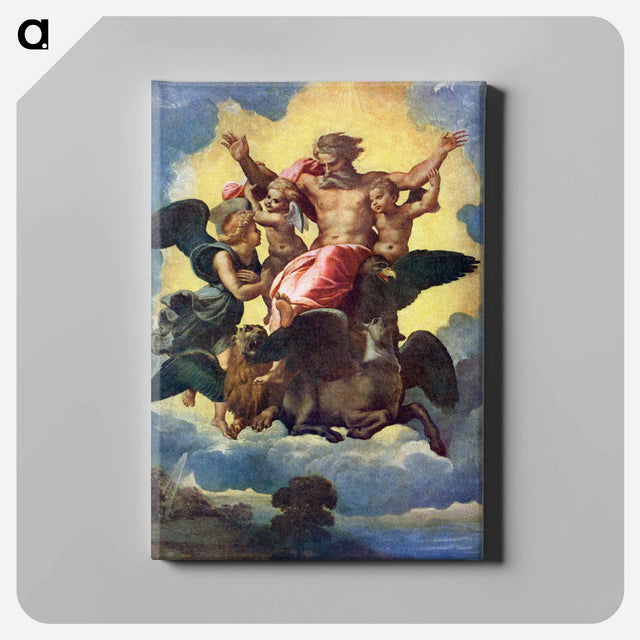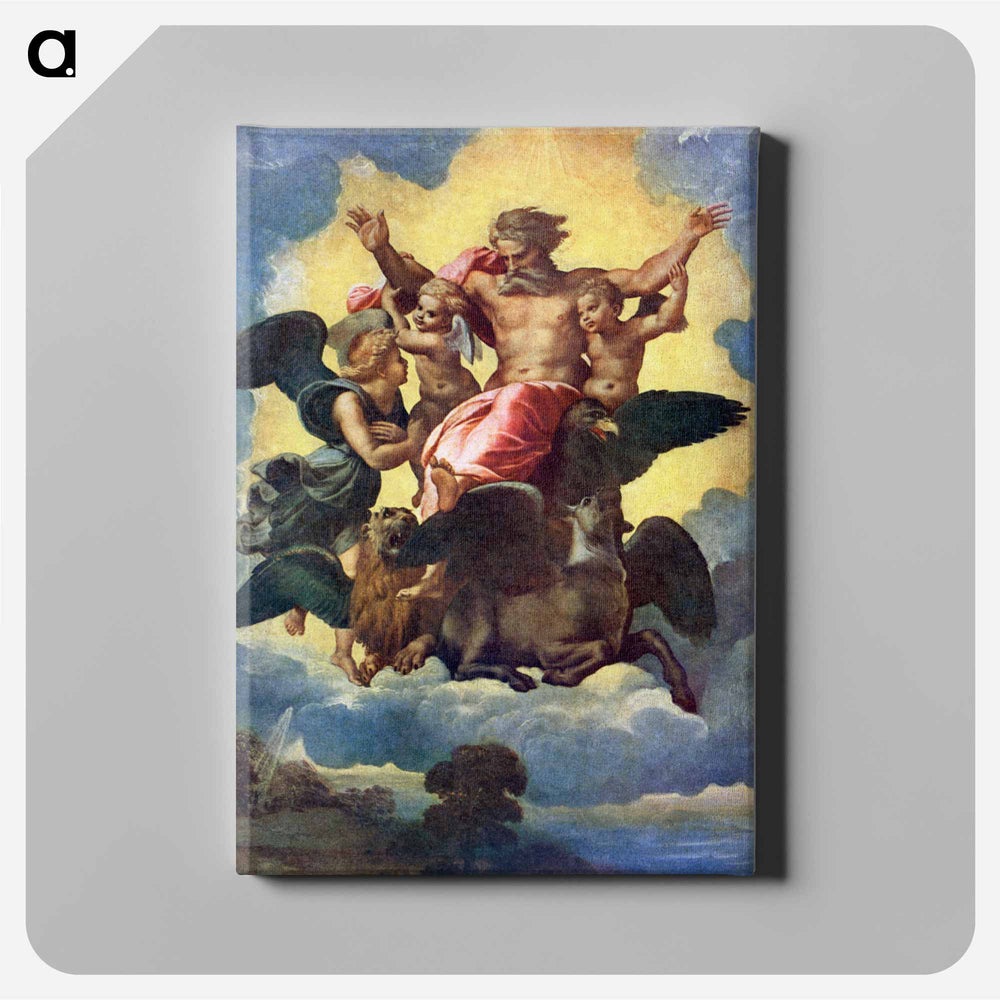


Raphael's Ezekiel's Vision - Raphael Santi Canvas.


ARを使用する
組み合わせを選んで、お部屋に試し置きできます。
【ARを使用する】
・「ARを起動」ボタンから、スマートフォンのカメラを通して実際のお部屋に試し置きが可能です。(対応機種のみ)
【画像に合わせてみる】
・用意されたお部屋の背景にポスターを配置し、サイズ感や雰囲気をシミュレーションできます。
・ポスターはドラッグで移動、右下の+−ボタンで視点の拡大縮小が可能です。


AR機能を使用するには、
スマートフォンで読み取ってください。
Raphael's Ezekiel's Vision - Raphael Santi Canvas. - A5(148×210) is backordered and will ship as soon as it is back in stock.
【出荷予定について】
※土日祝定休
About delivery
About delivery
Please allow 3 business days for posters only, and 10-14 business days for framed posters.
All other products will take approximately 10 to 14 business days.
*Due to the current delay in receiving frames from our supplier, it may take 4-6 weeks for your order to be processed. We apologize for the long wait time.
お届けについて
お届けについて
出荷までの期間はポスターのみは3営業日、額装込み・キャンバス製品は10営業日程度いただいております。
それ以外の製品は10〜14営業日程度いただいております。
営業日:月〜金曜
定休日 : 土・日曜日・祝日
※サイズ・色・点数によってお届けに通常より長くお時間をいただく場合がございます。お急ぎの場合や複数点数のご購入をご検討の場合は事前にお問い合わせください。
About returned goods exchange
About returned goods exchange
Regarding returns and exchanges
We only accept returns if the product is unused, and ask that you return it within 7 days at your own expense.
If there is a problem with the product you receive, please contact us immediately within 7 days of arrival.
■ Contact details for returns and exchanges
refund
If there is a problem with the product, please see "Returns and Exchanges" above.
cancel
If the order has not yet started production, you can cancel and get a refund, but if production has already ended, you will be charged the full amount.
Raphael's Ezekiel's Vision - Raphael Santi Canvas.

Raphael's Ezekiel's Vision - Raphael Santi Canvas. - A5(148×210) is backordered and will ship as soon as it is back in stock.
You can order with confidence.
Payment methods
Please be assured that artgraph. does not store any credit card information and has no access to your credit card information.
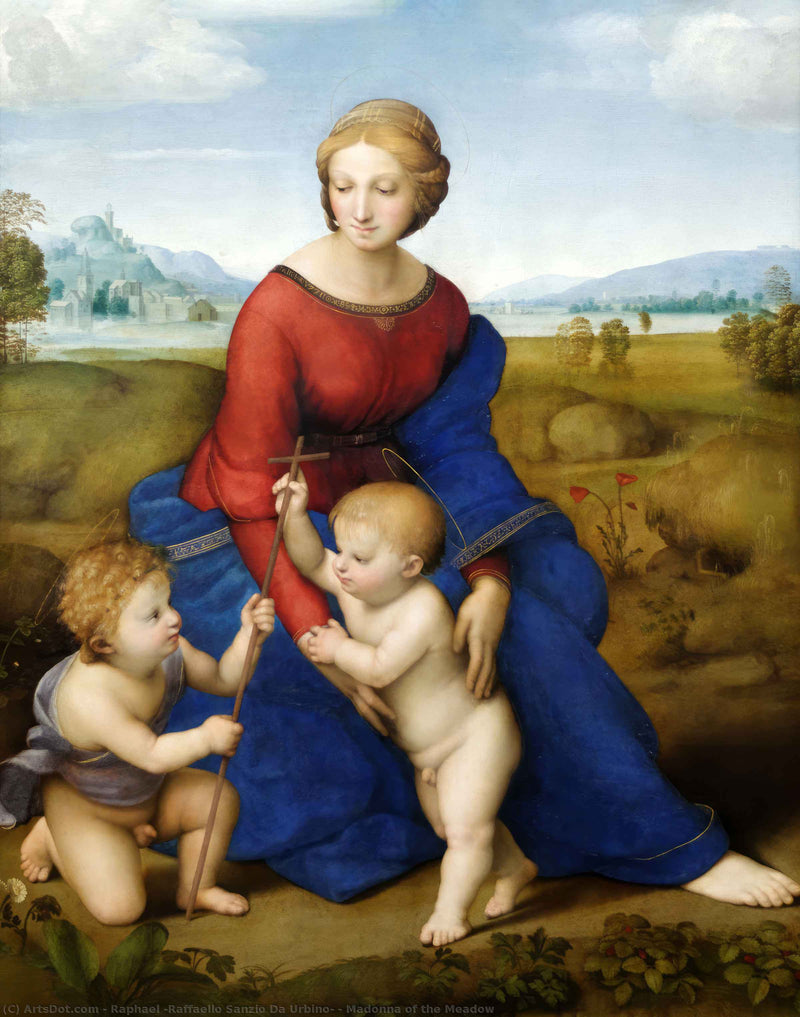
Raffaello Santi
Raffaello Santi (1483-1520) is one of the three great masters of the Italian High Renaissance , alongside Leonardo da Vinci and Michelangelo. He was active both as a painter and an architect. His works are known for their graceful, harmonious compositions and serene, elegant portrayals of human figures, and he is also fondly known as the " Painter of the Virgin Mary " for the beauty of his Madonna and Child. Though he only lived for 37 years, his talent continues to shine in the history of Western art.
The life and career of Raffaello Santi
Raphael's career as an artist began with his father, Giovanni Santi, who was the court painter in Urbino. He then studied the Umbrian style under Perugino, and in Florence, he developed his own unique style while being influenced by the great masters of his time. In Rome, his talent was recognized by the Pope, and he was entrusted with major national projects such as the decoration of the Vatican Palace.
- April 6, 1483: Born in Urbino, an artistic city in central Italy.
- Childhood: Received painting training from his father, the painter Giovanni Santi.
- Around 1500: Moved to Perugia and studied under the painter Perugino, mastering the elegant style of the Umbrian school.
- 1504: He travels to Florence, the center of art, where he is exposed to the works of Leonardo da Vinci and Michelangelo and is greatly influenced by them.
- 1508: He moved to Rome at the invitation of Pope Julius II and was entrusted with the important task of creating murals for the "Room of the Signatures" in the Vatican Palace (including "The School of Athens").
- 1514: Appointed chief architect of St. Peter's Basilica after the death of his predecessor, Bramante.
- April 6, 1520: Died suddenly in Rome on his 37th birthday.
Raphael's masterpiece
Raphael left behind many masterpieces on a wide range of subjects, including religious paintings, portraits, and mythological scenes. Among them, the following works are particularly famous.
- The School of Athens (1509-1511) - mural in the Hall of the Signatures in the Vatican
- Sistine Madonna (1512-1513) - Dresden, Alte Meister Gallery
- Madonna della Seggiola (1513-1514) - Pitti Gallery, Florence
- Transfiguration (1516-1520) - Vatican Museums (posthumous work)
- Madonna delGranduca (c. 1504) - Pitti Gallery, Florence
Raphael's style: a search for harmony and elegance
The core of Raphael's style is harmony (armonia) , balance (equilibrio) , and grace (grazia) . During his time in Florence, he learned Leonardo da Vinci's sfumato , a style of soft shading, and Michelangelo's sculptural grasp of the human body and powerful expression of movement, and sublimated these into his own style.
During the Roman period, he acquired greater grandeur and dramatic composition and clarity of composition through large-scale commissions such as murals for the Vatican Palace, incorporating knowledge from classical antiquity. "The School of Athens" is a prime example of this.
In particular, his Madonna and Child, which has made him known as the " painter of the Virgin Mary ," is a beautiful blend of human warmth and divine elegance. The Virgin Mary's tender, loving expression, her graceful movements, and the natural bond between the Virgin Mary and the infant Jesus inspire deep peace and emotion in the viewer's heart. The bright, clear colors and clear depiction of forms are also the source of the universal appeal of Raphael's works.
Influence on future generations and modern appreciation
Raphael's art continued to exert an enormous influence even after his death. His meticulously harmonious compositions and idealized, graceful figures became the ideal and model for Academism (the classical art style) in later European art. Particularly from the 17th to 19th centuries, many painters looked to Raphael as their model, and his style was widely studied as the basis for art education.
Even today, Raphael is highly regarded around the world as one of the most important artists of the High Renaissance and in the history of Western art as a whole. His works, such as the School of Athens and his numerous Madonna and Child statues, have captivated many people throughout the ages and continue to shine as standards of beauty.
Recommend

Raphael's Transfiguration - Raphael Santi Canvas.

The School of Athens - Raffaello Santi Canvas.

Raphael's Madonna della seggiola - Raffaello Santi Poster.

Raphael's Madonna del Granduca - Raphael Santi Poster.

Disputation of the Holy Sacrament - Raffaello Santi Poster.

The Portrait of a Young Woman - Raffaello Santi Postcard.

Madonna and Child - Raffaello Santi Postcard.

The Alba Madonna - Raffaello Santi Postcard.

The Small Cowper Madonna - Raffaello Santi Postcard.

The Niccolini–Cowper Madonna - Raffaello Santi Postcard.

Madonna and Child - Raffaello Santi Postcard.

Raphael's Bindo Altoviti - Raffaello Santi Postcard.

An Allegory (Vision of a Knight) - Raffaello Santi Postcard.

The Miraculous Draft of Fishes - Raffaello Santi Postcard.

Bindo Altoviti - Raffaello Santi Postcard.

The Virgin and Child with Saint John the Baptist - Raffaello Santi Postcard.

Raphael's Ansidei Madonna - Raffaello Santi Postcard.

Raphael's Three Graces - Raffaello Santi Postcard.

Raphael's Saint George and the Dragon - Raffaello Santi Postcard.

Raphael's Madonna and Child with the Infant Saint John - Raffaello Santi Postcard.

The Madonna of the Pinks - Raffaello Santi Postcard.

Raphael's Bridgewater Madonna - Raffaello Santi Postcard.

The Alba Madonna - Raffaello Santi Postcard.

Detail coronation Charles the Great (Francis 1st of France) by Pope Leo III (Leo X) Vatican 11 - Raphael Santi Postcard.

The Agony in the Garden - Raffaello Santi Postcard.

Portrait of a Cardinal - Raffaello Santi Postcard.

An Allegory (Vision of a Knight) - Raffaello Santi Postcard.

Portrait de l'artiste avec un ami - Raffaello Santi Postcard.

Raphael's Portrait of Pope Julius II - Raffaello Santi Postcard.

The Marriage of the Virgin - Raffaello Santi Postcard.

Raphael's Madonna della seggiola - Raffaello Santi Postcard.

The Niccolini–Cowper Madonna - Raffaello Santi Postcard.

Raphael's Madonna and Child Enthroned with Saints - Raffaello Santi Postcard.

Madonna of the Goldfinch - Raffaello Santi Postcard.

Portrait of Pope Leo X and his cousins, cardinals Giulio de' Medici and Luigi de' Rossi - Raffaello Santi Postcard.

0 Chambre de Raphaël - École d'Athènes - Raphael Santi Postcard.

The Small Cowper Madonna - Raffaello Santi Postcard.

Raphael's Saint Catherine of Alexandria - Raffaello Santi Postcard.

The Garvagh Madonna - Raffaello Santi Postcard.

Raphael's Madonna of Loreto - Raffaello Santi Postcard.

Raphael's Madonna of the Rose - Raffaello Santi Postcard.

Raphael's Portrait of Baldassarre Castiglione - Raffaello Santi Postcard.

The Deposition - Raffaello Santi Postcard.

La Fornarina - Raffaello Santi Postcard.

Raphael's Three Graces - Raffaello Santi Postcard.

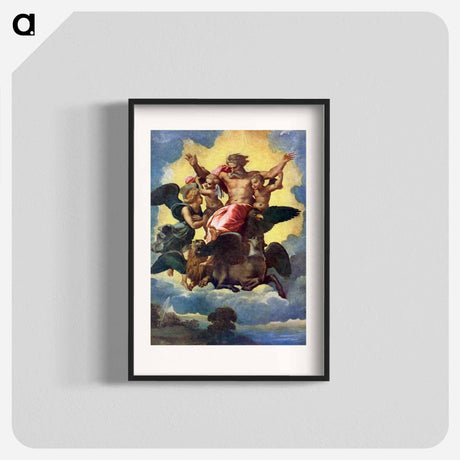
Raphael's Ezekiel's Vision - Raffaello Santi Postcard.

The Portrait of a Young Woman - Raffaello Santi Phone Case.

Madonna and Child - Raffaello Santi Phone Case.

The Alba Madonna - Raffaello Santi Phone Case.

The Small Cowper Madonna - Raffaello Santi Phone Case.
SNSでご紹介いただきました


同じ作品を使用したアイテム
-
Raffaello Santi(ラファエロ サンティ)
Raphael's Ezekiel's Vision - Raphael Santi Poster.
Regular priceFrom ¥1,900Unit price -
-

Raffaello Santi(ラファエロ サンティ)
Raphael's Ezekiel's Vision - Raffaello Santi Phone Case.
Sale priceFrom ¥3,480 Regular price ¥4,280Unit price -

Raffaello Santi(ラファエロ サンティ)
Raphael's Ezekiel's Vision - Raphael Santi Memo.
Sale price ¥2,800 Regular price ¥3,480Unit price -
Raffaello Santi(ラファエロ サンティ)
Raphael's Ezekiel's Vision - Raffaello Santi Postcard.
Sale priceFrom ¥780 Regular price ¥1,100Unit price -





Until today's order deadline
Please note that if you exceed this time your order will be processed on the next business day.
アートパネルをさらに見る
View all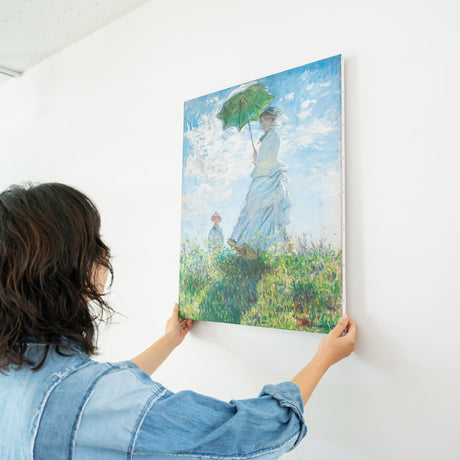
-
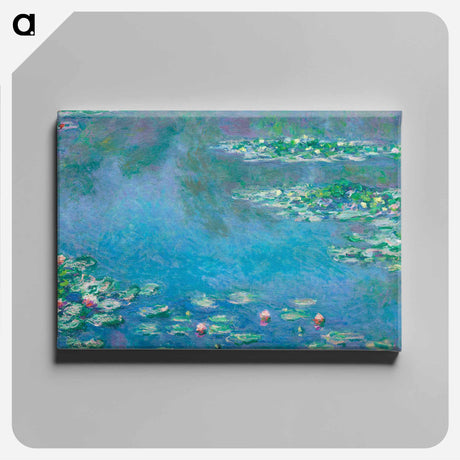 ベストセラー
Claude Monet(クロード モネ)
Water Lilies - Claude Monet Canvas.
Sale priceFrom ¥6,800 Regular price ¥8,800Unit price -
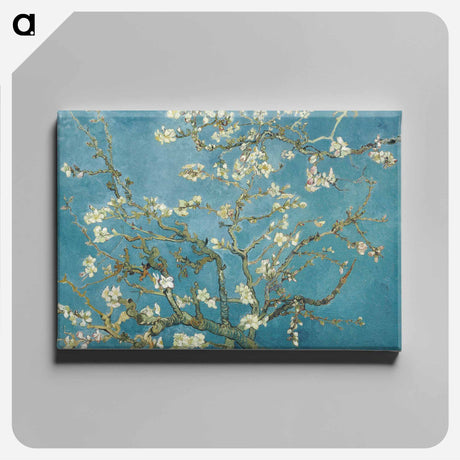 ベストセラー
Vincent van Gogh(フィンセント ファン ゴッホ)
Almond blossom - Vincent van Gogh Canvas.
Sale priceFrom ¥6,800 Regular price ¥8,800Unit price -
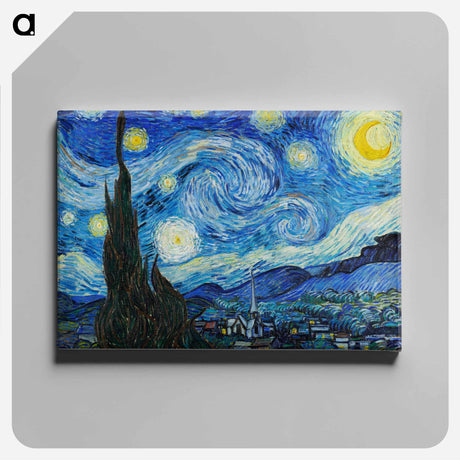 ベストセラー
Vincent van Gogh(フィンセント ファン ゴッホ)
The Starry Night - Vincent van Gogh Canvas.
Sale priceFrom ¥6,800 Regular price ¥8,800Unit price -
 ベストセラー
Claude Monet(クロード モネ)
Flower in Summer - Claude Monet Canvas.
Sale priceFrom ¥6,800 Regular price ¥8,800Unit price -

Vincent van Gogh(フィンセント ファン ゴッホ)
Roses - Vincent van Gogh Canvas.
Sale priceFrom ¥6,800 Regular price ¥8,800Unit price -
 ベストセラー
Claude Monet(クロード モネ)
La Grenouillère - Claude Monet Canvas.
Sale priceFrom ¥6,800 Regular price ¥8,800Unit price -
 ベストセラー
Claude Monet(クロード モネ)
View of Vétheuil - Claude Monet Canvas.
Sale priceFrom ¥6,800 Regular price ¥8,800Unit price -
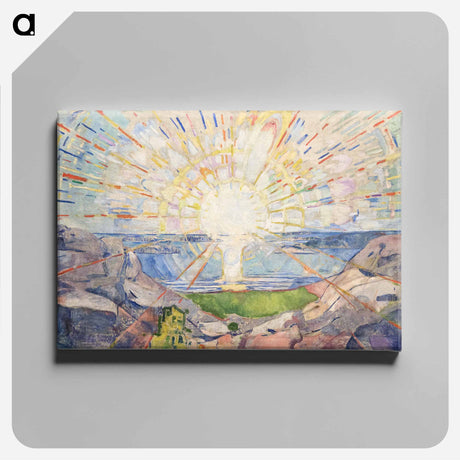 ベストセラー
Edvard Munch(エドヴァルド ムンク)
Solenintro - Edvard Munch Canvas.
Sale priceFrom ¥6,800 Regular price ¥8,800Unit price