Calvary, central predella panel from the St. Zeno of Verona altarpiece - Andrea Mantegna Canvas.


ARを使用する
組み合わせを選んで、お部屋に試し置きできます。
【ARを使用する】
・「ARを起動」ボタンから、スマートフォンのカメラを通して実際のお部屋に試し置きが可能です。(対応機種のみ)
【画像に合わせてみる】
・用意されたお部屋の背景にポスターを配置し、サイズ感や雰囲気をシミュレーションできます。
・ポスターはドラッグで移動、右下の+−ボタンで視点の拡大縮小が可能です。


AR機能を使用するには、
スマートフォンで読み取ってください。
Calvary, central predella panel from the St. Zeno of Verona altarpiece - Andrea Mantegna Canvas. - A5(148×210) is backordered and will ship as soon as it is back in stock.
【出荷予定について】
※土日祝定休
About delivery
About delivery
Please allow 3 business days for posters only, and 10-14 business days for framed posters.
All other products will take approximately 10 to 14 business days.
*Due to the current delay in receiving frames from our supplier, it may take 4-6 weeks for your order to be processed. We apologize for the long wait time.
お届けについて
お届けについて
出荷までの期間はポスターのみは3営業日、額装込み・キャンバス製品は10営業日程度いただいております。
それ以外の製品は10〜14営業日程度いただいております。
営業日:月〜金曜
定休日 : 土・日曜日・祝日
※サイズ・色・点数によってお届けに通常より長くお時間をいただく場合がございます。お急ぎの場合や複数点数のご購入をご検討の場合は事前にお問い合わせください。
About returned goods exchange
About returned goods exchange
Regarding returns and exchanges
We only accept returns if the product is unused, and ask that you return it within 7 days at your own expense.
If there is a problem with the product you receive, please contact us immediately within 7 days of arrival.
■ Contact details for returns and exchanges
refund
If there is a problem with the product, please see "Returns and Exchanges" above.
cancel
If the order has not yet started production, you can cancel and get a refund, but if production has already ended, you will be charged the full amount.

Calvary, central predella panel from the St. Zeno of Verona altarpi...

Calvary, central predella panel from the St. Zeno of Verona altarpiece - Andrea Mantegna Canvas. - A5(148×210) is backordered and will ship as soon as it is back in stock.
You can order with confidence.
Payment methods
Please be assured that artgraph. does not store any credit card information and has no access to your credit card information.

Andrea Mantegna
Andrea Mantegna
Andrea Mantegna is a representative painter of the 15th century Italian Renaissance, particularly of the Padua School. Known for his sculptural depictions of the human figure, strict perspective, and a style based on a deep knowledge of ancient Roman art, he brought innovation to early Renaissance painting.
Andrea Mantegna Biography
-
He was born around 1431 in Isola di Carturo (near present-day Piazzola sul Brenta) in the Republic of Venice.
-
Around 1442, he entered the workshop of the Padua painter Francesco Squarcione, becoming his apprentice and then his adopted son. In Squarcione's workshop, he came into contact with ancient Roman art and was deeply influenced by it.
-
In 1448, at the age of 17, he became independent and began the major project of painting the frescoes for the Ovetari Chapel in Padua (largely destroyed in World War II).
-
In 1453, he married Nicolosia Bellini, daughter of Jacopo Bellini, the founder of the Venetian school, and became brothers-in-law to Giovanni Bellini and Gentile Bellini.
-
In 1460, he was invited to become a court painter by Ludovico III Gonzaga, Marquis of Mantua, and moved to Mantua, where he served the Gonzaga family for the rest of his life.
-
Between 1465 and 1474 he created groundbreaking frescoes depicting the members of the Gonzaga family in the Camera degli Sposi (Marriage Hall) in the Doge's Palace in Mantua.
-
He died in Mantua on September 13, 1506 , at the age of 75.
Representative works
-
San Zeno Altarpiece (1556-59)
-
Ceiling and wall paintings in the Marriage Chamber (1465-74)
-
"Dead Christ" (c. 1480)
-
Parnassus (1497)
-
"The Triumph of Caesar" (c. 1480-95)
Mantegna's work is characterized by its rigid, sculptural depictions of figures, almost as if they were carved from marble. This reflects the tradition of the Padua School, in which he studied, and the influence of sculptors such as Donatello. He also frequently used bold compositions that made full use of foreshortening. In particular, in "Dead Christ," he depicts Christ's body from an extreme perspective, looking up from the feet, leaving a strong impression on the viewer.
Mantegna's profound knowledge of ancient Roman culture and art is at the core of his art, and his scholarship is evident in the themes and detailed decoration of his works. In "The Chamber of Consorts," which he created as court painter for the Gonzaga family, he used the trompe l'oeil technique to paint on the ceiling, creating the illusion that the ceiling had opened up to reveal a vast expanse of blue sky, an innovative attempt at spatial expression. His rigorous and powerful style had a major influence on northern artists such as his brother-in-law Giovanni Bellini and Albrecht Dürer.
Recommend

The Resurrection of Christ - Andrea Mantegna Memo.

The Resurrection - Andrea Mantegna Memo.

Soldiers - Andrea Mantegna Memo.

Muse - Andrea Mantegna Memo.

Christ - Andrea Mantegna Memo.

Madonna with St. Mary Magdalene and St. John the Baptist - Andrea Mantegna Memo.

The martyrdom of Saint Christopher - Andrea Mantegna Memo.

Molorchos making a sacrifice to Hercules - Andrea Mantegna Memo.

Madonna with saints St. John the Baptist, St. Gregory I the Great, St. Benedict - Andrea Mantegna Memo.

Trumpeters - Andrea Mantegna Memo.

Trumpet players - Andrea Mantegna Memo.

Triumphs of Caeser - Andrea Mantegna Memo.

The Senators - Andrea Mantegna Memo.

The Martyrdom and transporting the body of Saint Christopher - Andrea Mantegna Memo.

The Baptism of Christ - Andrea Mantegna Memo.

Study for a Flagellation - Andrea Mantegna Memo.

St. Sebastian - Andrea Mantegna Memo.

St. Bernardine of Siena with the Angels - Andrea Mantegna Memo.

Self-Portrait - Andrea Mantegna Memo.

Samson and Delilah - Andrea Mantegna Memo.

Prisonnniers - Andrea Mantegna Memo.

Musicians and teaches Carriers - Andrea Mantegna Memo.

Julius Caesar on a triumphal car - Andrea Mantegna Memo.

Holders of currencies and gold jewelry, trophies and royal armor - Andrea Mantegna Memo.

Christ with the soul of the Virgin - Andrea Mantegna Memo.

The Adoration of the Magi (detail) - Andrea Mantegna Memo.

The Holy Family with St. Elizabeth and St. John the Baptist - Andrea Mantegna Memo.

The Combat of Love and Chastity - Andrea Mantegna Memo.

Christ Carrying the Cross - Andrea Mantegna Memo.

The victory of virtue - Andrea Mantegna Memo.

A sibyl and a prophet - Andrea Mantegna Memo.

Minerva Chasing the Vices from the Garden of Virtue - Andrea Mantegna Memo.

Ecce Homo - Andrea Mantegna Memo.

The Judgment of Solomon - Andrea Mantegna Memo.

The holy family with St. John - Andrea Mantegna Memo.

The Holy Family with Saint Mary Magdalen - Andrea Mantegna Memo.

Trumpeters, carrying flags and banners - Andrea Mantegna Memo.

Three deities - Andrea Mantegna Memo.

The Triumph and Vespasian de Titus - Andrea Mantegna Memo.

Saint Jerome reading with the Lion - Andrea Mantegna Memo.

Project for a monument to Virgil - Andrea Mantegna Memo.

Mythological Scene, Metamorphoses of Amymone - Andrea Mantegna Memo.

Julius Caesar on his triumphal car - Andrea Mantegna Memo.

Judith and Holofernes - Andrea Mantegna Memo.

Holders of currencies and gold jewelry, trophies, royal armor with pilasters - Andrea Mantegna Memo.

Hercules resting after the fight with the lion deNemee - Andrea Mantegna Memo.

Dido - Andrea Mantegna Memo.

Captured statues and siege equipment, a representation of a captured city and inscriptions (Triumph of Caesar) - Andrea Mantegna Memo.

Adoration of the Magi - Andrea Mantegna Memo.

The Parnassus: Mars and Venus - Andrea Mantegna Memo.
SNSでご紹介いただきました


同じ作品を使用したアイテム
-
Andrea Mantegna(アンドレア マンテーニャ)
Calvary, central predella panel from the St. Zeno of Verona altarpiece - Andrea Mantegna Poster.
Sale priceFrom ¥1,900 Regular price ¥2,280Unit price -
-

Andrea Mantegna(アンドレア マンテーニャ)
Calvary, central predella panel from the St. Zeno of Verona altarpiece - Andrea Mantegna Phone Case.
Sale priceFrom ¥3,480 Regular price ¥4,280Unit price -

Andrea Mantegna(アンドレア マンテーニャ)
Calvary, central predella panel from the St. Zeno of Verona altarpiece - Andrea Mantegna Memo.
Sale price ¥2,800 Regular price ¥3,480Unit price -

Andrea Mantegna(アンドレア マンテーニャ)
Calvary, central predella panel from the St. Zeno of Verona altarpiece - Andrea Mantegna Postcard.
Sale priceFrom ¥780 Regular price ¥1,100Unit price





Until today's order deadline
Please note that if you exceed this time your order will be processed on the next business day.
アートパネルをさらに見る
View all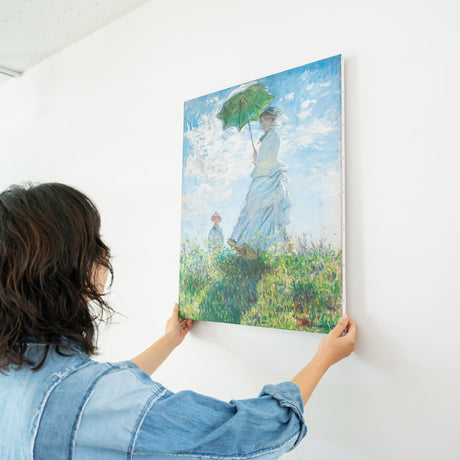
-
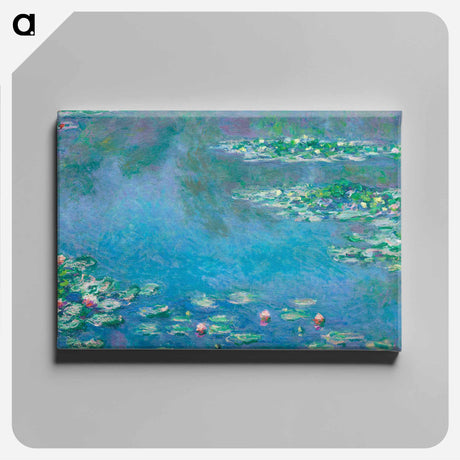 ベストセラー
Claude Monet(クロード モネ)
Water Lilies - Claude Monet Canvas.
Sale priceFrom ¥6,800 Regular price ¥8,800Unit price -
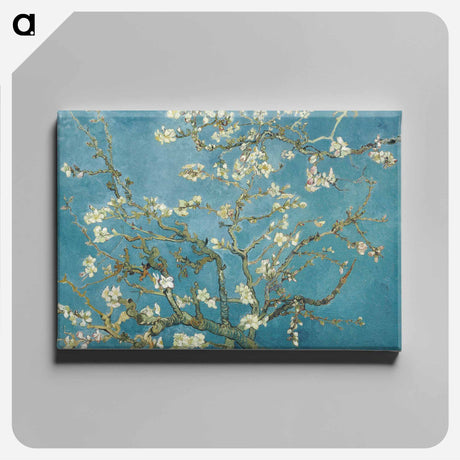 ベストセラー
Vincent van Gogh(フィンセント ファン ゴッホ)
Almond blossom - Vincent van Gogh Canvas.
Sale priceFrom ¥6,800 Regular price ¥8,800Unit price -
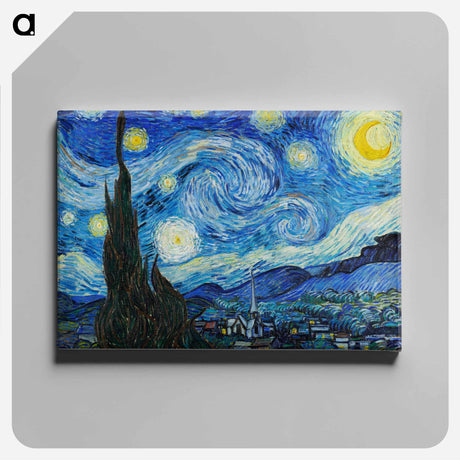 ベストセラー
Vincent van Gogh(フィンセント ファン ゴッホ)
The Starry Night - Vincent van Gogh Canvas.
Sale priceFrom ¥6,800 Regular price ¥8,800Unit price -
 ベストセラー
Claude Monet(クロード モネ)
Flower in Summer - Claude Monet Canvas.
Sale priceFrom ¥6,800 Regular price ¥8,800Unit price -

Vincent van Gogh(フィンセント ファン ゴッホ)
Roses - Vincent van Gogh Canvas.
Sale priceFrom ¥6,800 Regular price ¥8,800Unit price -
 ベストセラー
Claude Monet(クロード モネ)
La Grenouillère - Claude Monet Canvas.
Sale priceFrom ¥6,800 Regular price ¥8,800Unit price -
 ベストセラー
Claude Monet(クロード モネ)
View of Vétheuil - Claude Monet Canvas.
Sale priceFrom ¥6,800 Regular price ¥8,800Unit price -
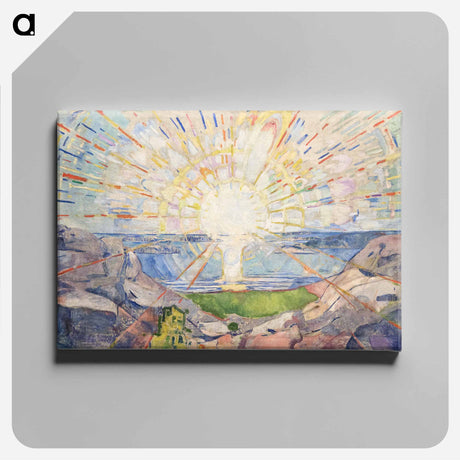 ベストセラー
Edvard Munch(エドヴァルド ムンク)
Solenintro - Edvard Munch Canvas.
Sale priceFrom ¥6,800 Regular price ¥8,800Unit price