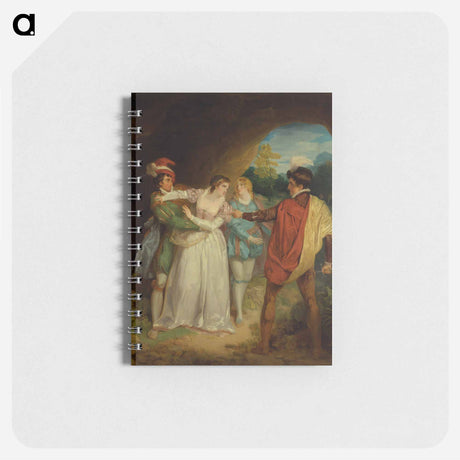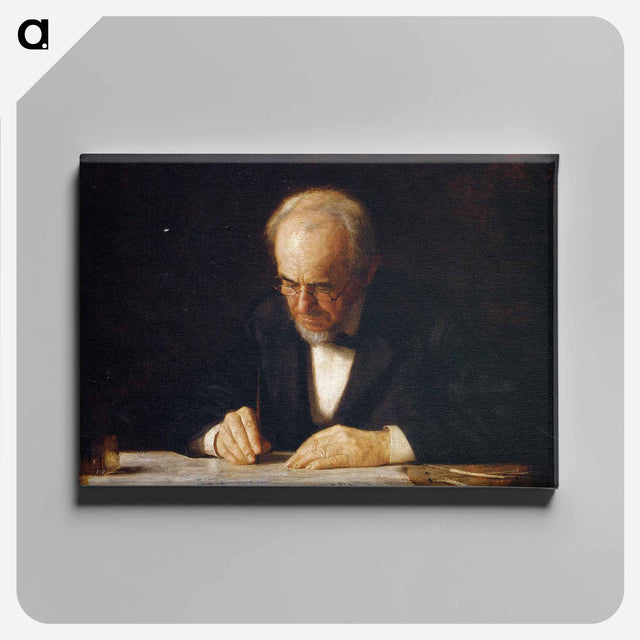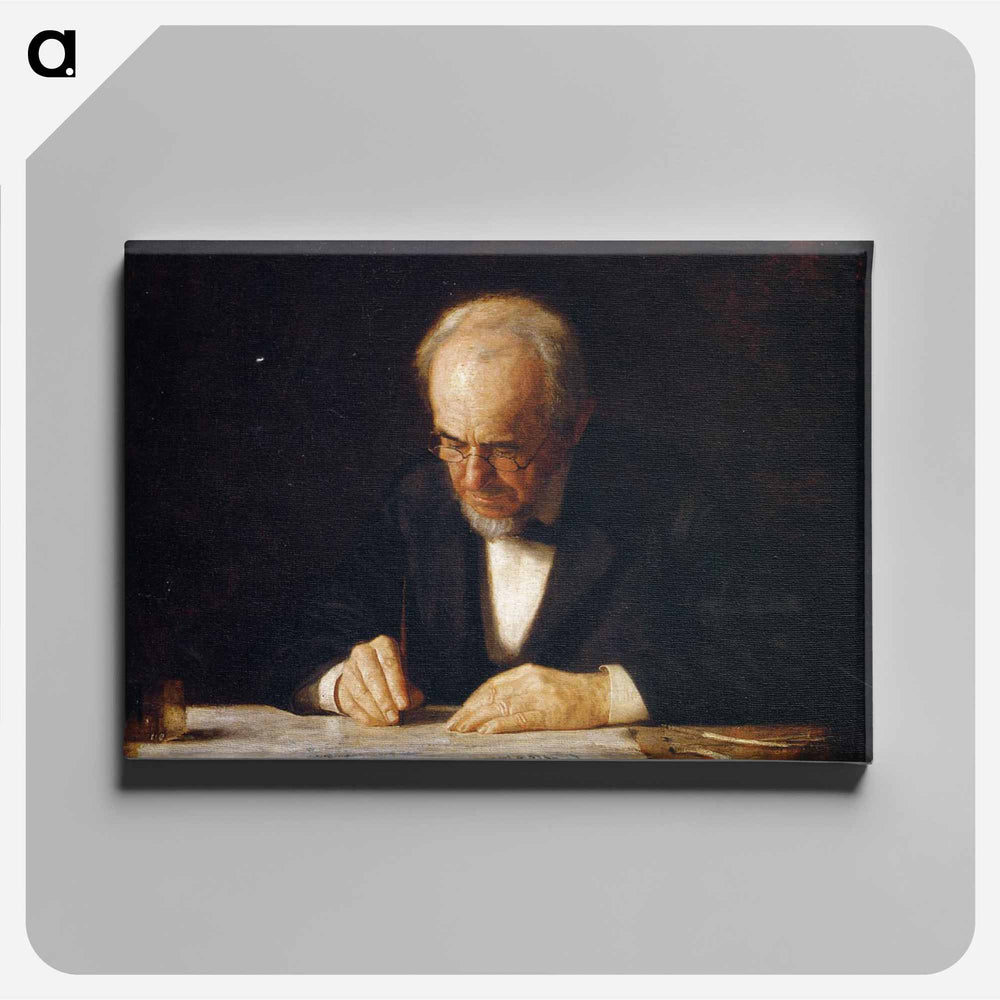


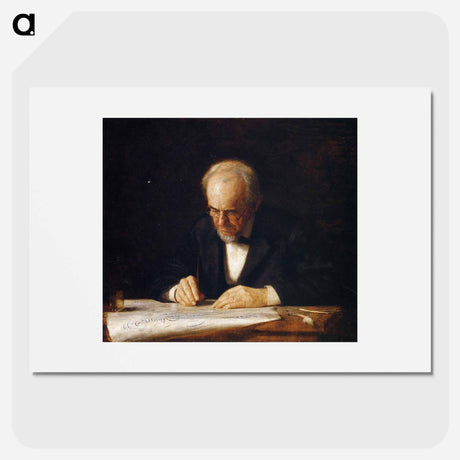
The Writing Master (Benjamin Eakins) - Thomas Eakins Canvas.


ARを使用する
組み合わせを選んで、お部屋に試し置きできます。
【ARを使用する】
・「ARを起動」ボタンから、スマートフォンのカメラを通して実際のお部屋に試し置きが可能です。(対応機種のみ)
【画像に合わせてみる】
・用意されたお部屋の背景にポスターを配置し、サイズ感や雰囲気をシミュレーションできます。
・ポスターはドラッグで移動、右下の+−ボタンで視点の拡大縮小が可能です。


AR機能を使用するには、
スマートフォンで読み取ってください。
The Writing Master (Benjamin Eakins) - Thomas Eakins Canvas. - A5(148×210) is backordered and will ship as soon as it is back in stock.
【出荷予定について】
※土日祝定休
About delivery
About delivery
Please allow 3 business days for posters only, and 10-14 business days for framed posters.
All other products will take approximately 10 to 14 business days.
*Due to the current delay in receiving frames from our supplier, it may take 4-6 weeks for your order to be processed. We apologize for the long wait time.
お届けについて
お届けについて
出荷までの期間はポスターのみは3営業日、額装込み・キャンバス製品は10営業日程度いただいております。
それ以外の製品は10〜14営業日程度いただいております。
営業日:月〜金曜
定休日 : 土・日曜日・祝日
※サイズ・色・点数によってお届けに通常より長くお時間をいただく場合がございます。お急ぎの場合や複数点数のご購入をご検討の場合は事前にお問い合わせください。
About returned goods exchange
About returned goods exchange
Regarding returns and exchanges
We only accept returns if the product is unused, and ask that you return it within 7 days at your own expense.
If there is a problem with the product you receive, please contact us immediately within 7 days of arrival.
■ Contact details for returns and exchanges
refund
If there is a problem with the product, please see "Returns and Exchanges" above.
cancel
If the order has not yet started production, you can cancel and get a refund, but if production has already ended, you will be charged the full amount.
The Writing Master (Benjamin Eakins) - Thomas Eakins Canvas.

The Writing Master (Benjamin Eakins) - Thomas Eakins Canvas. - A5(148×210) is backordered and will ship as soon as it is back in stock.
You can order with confidence.
Payment methods
Please be assured that artgraph. does not store any credit card information and has no access to your credit card information.
Thomas Eakins
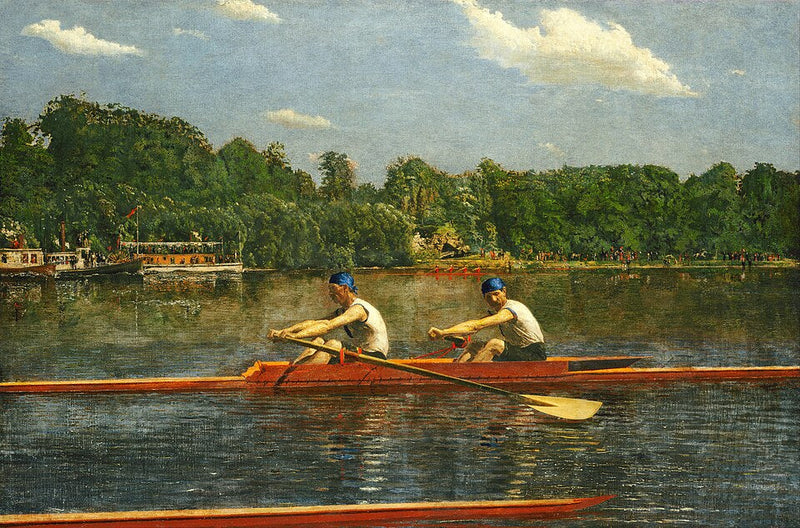
Thomas Eakins was one of the most important American realist painters active in the late 19th and early 20th centuries, and was also a photographer, sculptor, and art educator. He is known for his uncompromising realism and deep pursuit of portraying people and the real world as they really are. His work, which covers portraits, scenes from everyday life, sports, and particularly medical and scientific subjects, often arouses controversy for its direct depiction.
Thomas Eakins Biography
- Born July 25, 1844 in Philadelphia, Pennsylvania, USA.
- Around 1861, he enrolled at the Pennsylvania Academy of the Fine Arts to study painting and drawing, and also attended anatomy classes at Jefferson Medical College, where he gained a deep understanding of the structure of the human body.
- From 1866 to 1869, he traveled to France and studied under Jean-Léon Gérôme at the École des Beaux-Arts in Paris, and also visited Spain, where he was deeply influenced by the realism of Spanish masters such as Velázquez and Ribera.
- In 1870, he returned to Philadelphia and began working as a portrait painter, often depicting outdoor scenes such as boating and hunting.
- In 1876, he exhibited "Gross Clinic" at the Philadelphia Centennial Exposition, but the realistic depiction of the surgical scenes sparked controversy and the work was exhibited in the medical section rather than the fine arts section.
- He began teaching at the Pennsylvania Academy of the Fine Arts around 1878, and while his innovative teaching methods (particularly the use of nude models and emphasis on anatomy) were highly praised, they also brought him into conflict with the conservative board of trustees.
- In 1886, he resigned from his professorship at the Pennsylvania Academy of the Fine Arts due to a controversy over his use of nude models, and subsequently taught at other schools, including the Art Students League of Philadelphia.
- He was also passionate about photography, which he used to supplement his athletic studies and painting.
- He died in Philadelphia on June 25, 1916, at the age of 71.
Representative works
- Max Schmitt in a Single Scull / The Champion Single Sculls (1871)
- The Gross Clinic (1875)
- William Rush and His Model (1876–1877 and several versions in 1908)
- Swimming / The Swimming Hole (1884–1885)
- The Agnew Clinic (1889)
- Walt Whitman (1887–1888)
The Art of Thomas Eakins
Thomas Eakins' art is consistent with the pursuit of strict realism. He believed in capturing his subjects as they were, without sentimentality or idealization. To that end, he diligently studied anatomy, gaining a deep understanding of the structure of the human skeleton and muscles before creating his works. He also actively utilized the new technology of photography as an aid to his painting, particularly in expressing movement and accurately depicting form.
His subjects were diverse, including portraits of people from his hometown of Philadelphia, sports scenes such as rowing and boxing, and surgical scenes symbolizing medical and scientific advances. Works such as "Gross Clinic" and "Agnew Clinic" are renowned for their medical accuracy and dramatic depictions, but they also sparked controversy as they were considered too graphic for the sensibilities of the time. Eakins sought to portray the inner lives, intellect, and even professional characteristics of his subjects, and his portraits are known for their deep psychological depictions. His realism was not limited to mere superficial depictions, but was underpinned by an intellectual spirit that sought to delve into the essence of his subjects.
The influence of Thomas Eakins and his later reputation
During his lifetime, Thomas Eakins was both praised and heavily criticized for his uncompromising realism and choice of subject matter. His innovative approach as an educator at the Pennsylvania Academy of the Fine Arts often clashed with the conservative art world of the time, ultimately leading to his resignation. However, many of his students went on to become important artists in American art.
After his death, Eakins' art was reevaluated, especially in the 20th century, and he established himself as one of the most important and influential painters in American art history. His work is highly regarded as a pioneering attempt to depict reality from a uniquely American perspective, rather than following European artistic trends. His work as a photographer is also renowned as a testament to his artistic foresight.
Today, Thomas Eakins is recognized worldwide as a master of American Realism and a major influence on subsequent American figurative painting. Keywords such as "American Realism," "portrait," "anatomy," "Gross Clinic," "Pennsylvania Academy of the Fine Arts," and "photography and painting" are important elements in understanding Eakins' art and its influence. His works are held in major museum collections, mainly in the United States, and his honest and powerful realism continues to attract many people today.
Recommend

Nude Woman Standing - Thomas Eakins Memo.

A Negress - Thomas Eakins Memo.

Woman Knitting - Thomas Eakins Memo.

William Rush Carving The Allegorical Figure Of The Schuylkill - Thomas Eakins Memo.

William H Macdowell - Thomas Eakins Memo.

Two nude boys boxing in atelier - Thomas Eakins Memo.

The Veteran (Portrait of Geo. Reynolds) - Thomas Eakins Memo.

The map - Thomas Eakins Memo.

Talcott Williams - Thomas Eakins Memo.

Swimming Hole sketch - Thomas Eakins Memo.

Study of Dr. Agnew for the Agnew Clinic - Thomas Eakins Memo.

Study of a Horse's Leg for the Fairman Rogers Four in Hand - Thomas Eakins Memo.

Study of a Girl's Head - Thomas Eakins Memo.

Studies of Game Birds, probably Viginia Rails - Thomas Eakins Memo.

Studies of a Baby - Thomas Eakins Memo.

Standing Nude (Samuel Murray) - Thomas Eakins Memo.

Sketch of an interior - Thomas Eakins Memo.

Sketch for the Pathetic Song - Thomas Eakins Memo.

Sketch for The Chess Players - Thomas Eakins Memo.

Sketch for In Grandmother's Time - Thomas Eakins Memo.

Sketch for Between Rounds - Thomas Eakins Memo.

Samuel Murray - Thomas Eakins Memo.

Sailboats Racing' Study of the Delaware River - Thomas Eakins Memo.

Portraits - Thomas Eakins Memo.

Portraits - Thomas Eakins Memo.

Portraits - Thomas Eakins Memo.

Portraits - Thomas Eakins Memo.

Portraits - Thomas Eakins Memo.

Portraits - Thomas Eakins Memo.

Portrait of Mrs. Hubbard (sketch) - Thomas Eakins Memo.

Portrait of Harriet Husson Carville - Thomas Eakins Memo.

Portrait of General E. Burd Grubb - Thomas Eakins Memo.

Portrait of Francesco Romano - Thomas Eakins Memo.

Portrait of Frances Eakins - Thomas Eakins Memo.

Portrait of Elizabeth R. Coffin - Thomas Eakins Memo.

Portrait of Dr. William Thompson - Thomas Eakins Memo.

Portrait of Charles Linford, the Artist - Thomas Eakins Memo.

Portrait of Charles Edmund Dana - Thomas Eakins Memo.

Portrait of Alfred Reynolds in the Taubman Museum of Art - Thomas Eakins Memo.

Portrait of Alfred Bryan Wall - Thomas Eakins Memo.

Portrait - Thomas Eakins Memo.

Portrait - Thomas Eakins Memo.

Portrait - Thomas Eakins Memo.

Portrait - Thomas Eakins Memo.

Portrait - Thomas Eakins Memo.

Photograph study for The Wrestlers - Thomas Eakins Memo.

Perspective Drawing for The Biglin Brothers Turning the Stake - Thomas Eakins Memo.

Perspective Drawing for The Biglin Brothers Turning the Stake - Thomas Eakins Memo.

Perspective Drawing for Hunting - Thomas Eakins Memo.

Perspective drawing for baseball players practicing - Thomas Eakins Memo.
SNSでご紹介いただきました


同じ作品を使用したアイテム
-
Thomas Eakins(トーマス エイキンズ)
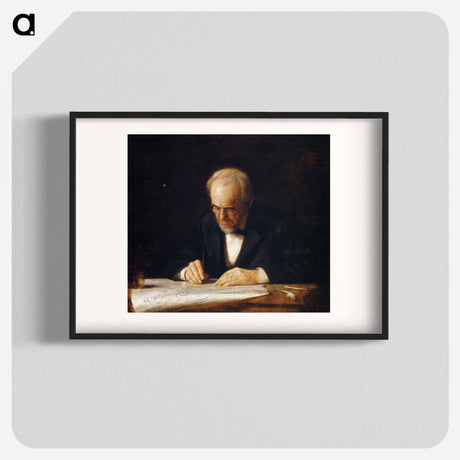
The Writing Master (Benjamin Eakins) - Thomas Eakins Poster.
Sale priceFrom ¥1,900 Regular price ¥2,280Unit price -
-
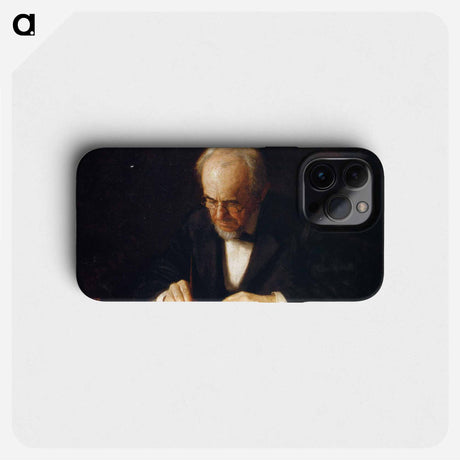
Thomas Eakins(トーマス エイキンズ)
The Writing Master (Benjamin Eakins) - Thomas Eakins Phone Case.
Sale priceFrom ¥3,480 Regular price ¥4,280Unit price -
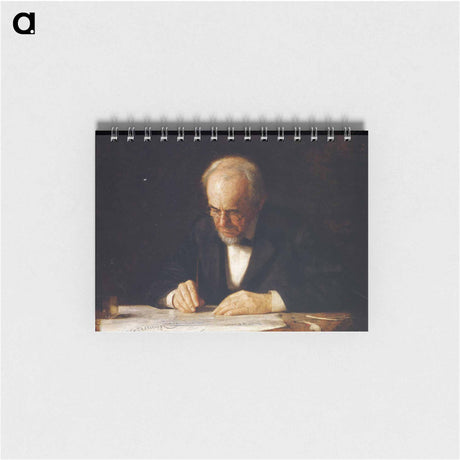
Thomas Eakins(トーマス エイキンズ)
The Writing Master (Benjamin Eakins) - Thomas Eakins Memo.
Sale price ¥2,800 Regular price ¥3,480Unit price -
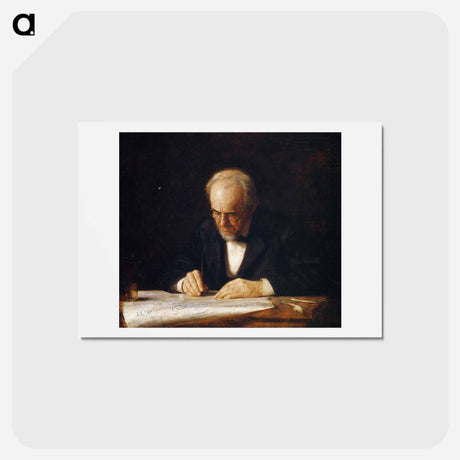
Thomas Eakins(トーマス エイキンズ)
The Writing Master (Benjamin Eakins) - Thomas Eakins Postcard.
Sale priceFrom ¥780 Regular price ¥1,100Unit price




Until today's order deadline
Please note that if you exceed this time your order will be processed on the next business day.
アートパネルをさらに見る
View all
-
 ベストセラー
Claude Monet(クロード モネ)
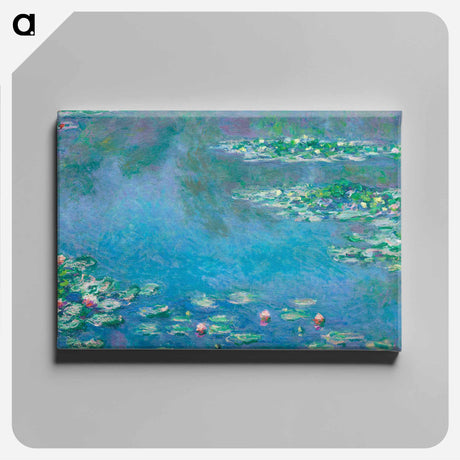
Water Lilies - Claude Monet Canvas.
Sale priceFrom ¥6,800 Regular price ¥8,800Unit price -
 ベストセラー
Vincent van Gogh(フィンセント ファン ゴッホ)
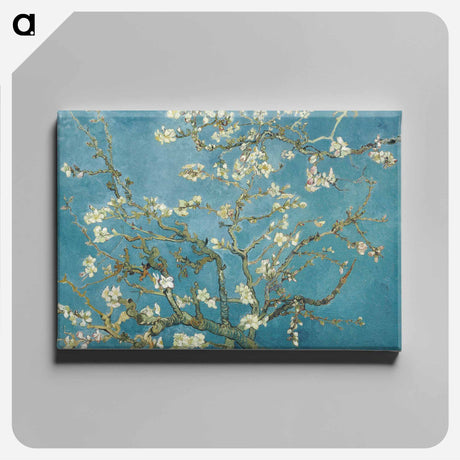
Almond blossom - Vincent van Gogh Canvas.
Sale priceFrom ¥6,800 Regular price ¥8,800Unit price -
 ベストセラー
Vincent van Gogh(フィンセント ファン ゴッホ)
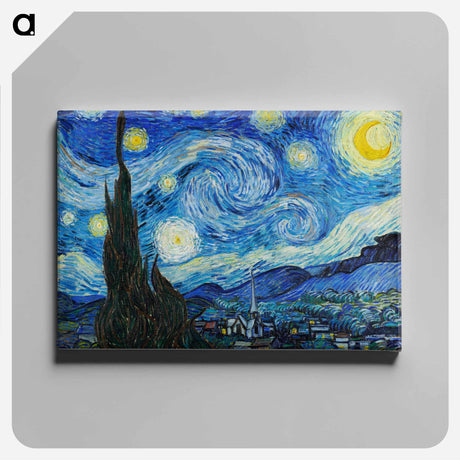
The Starry Night - Vincent van Gogh Canvas.
Sale priceFrom ¥6,800 Regular price ¥8,800Unit price -
 ベストセラー
Claude Monet(クロード モネ)
Flower in Summer - Claude Monet Canvas.
Sale priceFrom ¥6,800 Regular price ¥8,800Unit price -

Vincent van Gogh(フィンセント ファン ゴッホ)
Roses - Vincent van Gogh Canvas.
Sale priceFrom ¥6,800 Regular price ¥8,800Unit price -
 ベストセラー
Claude Monet(クロード モネ)
La Grenouillère - Claude Monet Canvas.
Sale priceFrom ¥6,800 Regular price ¥8,800Unit price -
 ベストセラー
Claude Monet(クロード モネ)
View of Vétheuil - Claude Monet Canvas.
Sale priceFrom ¥6,800 Regular price ¥8,800Unit price -
 ベストセラー
Edvard Munch(エドヴァルド ムンク)
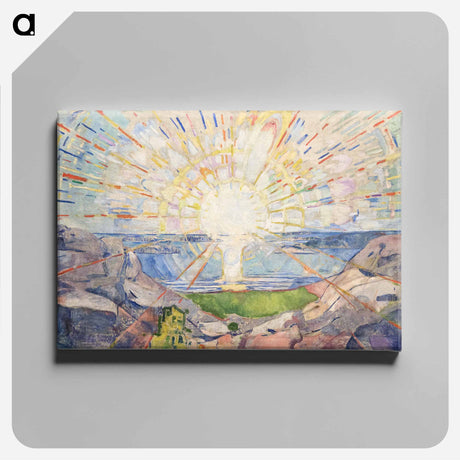
Solenintro - Edvard Munch Canvas.
Sale priceFrom ¥6,800 Regular price ¥8,800Unit price