Portrait of Berthe Morisot with a Fan - Edouard Manet Canvas.


ARを使用する
組み合わせを選んで、お部屋に試し置きできます。
【ARを使用する】
・「ARを起動」ボタンから、スマートフォンのカメラを通して実際のお部屋に試し置きが可能です。(対応機種のみ)
【画像に合わせてみる】
・用意されたお部屋の背景にポスターを配置し、サイズ感や雰囲気をシミュレーションできます。
・ポスターはドラッグで移動、右下の+−ボタンで視点の拡大縮小が可能です。


AR機能を使用するには、
スマートフォンで読み取ってください。
Portrait of Berthe Morisot with a Fan - Edouard Manet Canvas. - A5(148×210) is backordered and will ship as soon as it is back in stock.
【出荷予定について】
※土日祝定休
About delivery
About delivery
Please allow 3 business days for posters only, and 10-14 business days for framed posters.
All other products will take approximately 10 to 14 business days.
*Due to the current delay in receiving frames from our supplier, it may take 4-6 weeks for your order to be processed. We apologize for the long wait time.
お届けについて
お届けについて
出荷までの期間はポスターのみは3営業日、額装込み・キャンバス製品は10営業日程度いただいております。
それ以外の製品は10〜14営業日程度いただいております。
営業日:月〜金曜
定休日 : 土・日曜日・祝日
※サイズ・色・点数によってお届けに通常より長くお時間をいただく場合がございます。お急ぎの場合や複数点数のご購入をご検討の場合は事前にお問い合わせください。
About returned goods exchange
About returned goods exchange
Regarding returns and exchanges
We only accept returns if the product is unused, and ask that you return it within 7 days at your own expense.
If there is a problem with the product you receive, please contact us immediately within 7 days of arrival.
■ Contact details for returns and exchanges
refund
If there is a problem with the product, please see "Returns and Exchanges" above.
cancel
If the order has not yet started production, you can cancel and get a refund, but if production has already ended, you will be charged the full amount.

Portrait of Berthe Morisot with a Fan - Edouard Manet Canvas.

Portrait of Berthe Morisot with a Fan - Edouard Manet Canvas. - A5(148×210) is backordered and will ship as soon as it is back in stock.
You can order with confidence.
Payment methods
Please be assured that artgraph. does not store any credit card information and has no access to your credit card information.
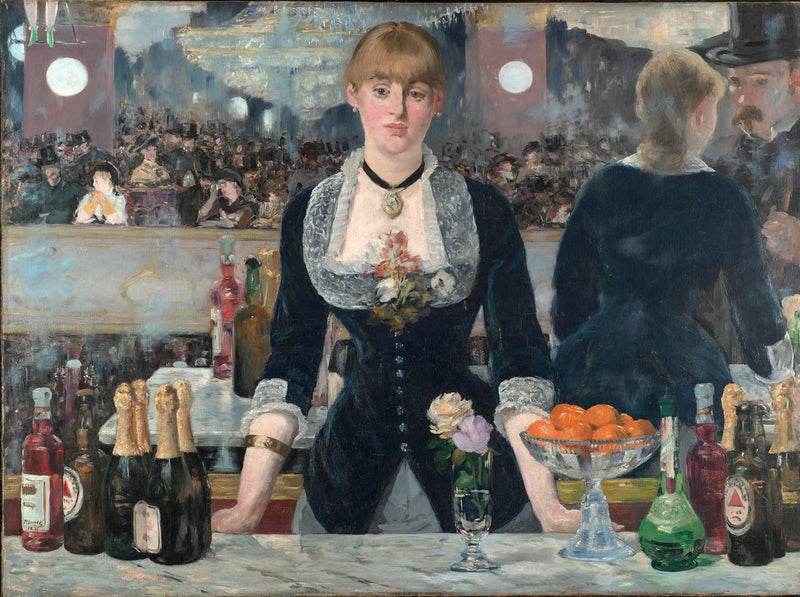
Edouard Manet
Édouard Manet (1832-1883) was a representative 19th-century French painter and an important artist known as the father of modern painting . At a time when traditional academic painting was mainstream, he produced innovative works that promoted a transition from realism to impressionism. His unconventional themes and bold expressive techniques drew fierce criticism from the conservative art world and sparked numerous scandals , but at the same time he had a profound influence on young impressionist painters and signaled the beginning of a new era in art.
The Life of Manet: Challenging Tradition
Born into a wealthy bourgeois family in Paris, Manet initially aspired to become a naval officer, but after failing the exam twice, decided to become a painter. While learning the basics under his teacher Thomas Couture, he also copied the works of past masters at the Louvre in search of his own unique style. His challenging works were rejected and criticized at the official Salon, but he established himself as a pioneer of modern painting.
- January 23, 1832: Born in Paris, France.
- 1850-1856: He studied at the art school of the academic painter Thomas Couture, but found himself rebellious towards his teaching methods.
- 1863: He exhibited " The Luncheon on the Grass " at the Salon des Refusals, which brought together works rejected by the Salon. This caused great controversy and led to a scandal.
- 1865: Olympia is accepted for the Salon, but its subject matter and bold expression once again spark great controversy.
- 1870s: He became close friends with future Impressionist painters such as Claude Monet and Edgar Degas , but he did not participate in the first Impressionist exhibition in 1874, choosing instead to continue exhibiting at the Salon.
- April 30, 1883: Died in Paris after a long illness (aged 51).
Manet's major works
Manet created many masterpieces, focusing on contemporary subjects such as modern city life and portraits.
- Luncheon on the Grass (1863) - Musée d'Orsay, Paris
- Olympia (1863) - Musée d'Orsay, Paris
- A Bar at the Folies-Bergère (1882) - Courtauld Gallery, London
- The Balcony (1868-1869) - Musée d'Orsay, Paris
- The Fifer (1866) - Musée d'Orsay, Paris
Manet's Style: A New Perspective on Depicting the Modern City
Manet's style is characterized by a deliberate deviation from traditional painting techniques. By simplifying three-dimensional expression through perspective and shading and using flat color planes , he emphasized the decorativeness and flatness of the picture plane. Furthermore, his clear contours and brushstrokes that boldly capture the texture of his subjects also give his works a modern feel. In particular, his striking use of black in the expression of shading is an important element that demonstrates Manet's individuality.
In terms of subject matter, rather than traditional genres such as historical or mythological paintings, he actively depicted modern Parisian urban life and the people living there, such as in cafes, parks, and racetracks. This was an attempt to express contemporary reality from his own unique perspective while inheriting the spirit of realism , which sought to capture it. At the same time, he also sought to combine tradition and innovation by quoting the compositions of past masters such as Titian and Velázquez and replacing them with modern scenes.
Controversial masterpieces: "Luncheon on the Grass" and "Olympia"
It was " Luncheon on the Grass " and " Olympia " that made Manet famous and also became the subject of intense controversy.
"Luncheon on the Grass" was criticized on moral grounds for its unusual combination of two men in formal attire relaxing in the woods with a nude woman (the other woman is bathing). It was also criticized for its lack of the traditional, meticulous finish, leaving only brushstrokes visible. This work challenged the norms of academicism in both subject matter and technique.
"Olympia" depicts a courtesan lying in bed, gazing provocatively at the viewer. While following the composition of Venus statues by past masters (particularly Titian's "Venus of Urbino"), the painting caused a scandal because it depicted a flesh-and-blood modern woman rather than a mythical goddess, and its direct gaze exposed the hypocrisy of bourgeois society at the time. These works are considered monumental, marking the beginning of the "modern" era in painting.
Influence on Impressionism and later recognition
Although Manet did not consider himself a member of the Impressionist movement, his innovative art had a decisive influence on young artists such as Claude Monet , Pierre-Auguste Renoir , Edgar Degas , and Berthe Morisot . They looked up to Manet as their mentor and learned much from his innovative methods of expression and interest in modern life, which led to the development of the Impressionist art movement. Manet continued to interact with them and became their spiritual pillar.
Today, Édouard Manet has established an unshakable position in the history of Western art as the father of modern painting , who broke with tradition and brought about a visual revolution in painting. His works, which served as an important bridge from Realism to Impressionism and later modern art, are exhibited in major collections in museums around the world and continue to fascinate many people.
Manet's groundbreaking art brought closer to you
artgraph.jp offers high-definition giclee prints of Édouard Manet's masterpieces, including art posters and art panels . Enjoy the bold and fascinating world of Manet, who opened the door to modern painting, in the comfort of your own home.
Recommend

The Cats' Rendezvous - Édouard Manet Poster.

A Bar at the Folies-Bergère - Édouard Manet Canvas.

A Letter to Eugène Maus, Decorated with Two Apples - Édouard Manet Poster.

Fish (Still Life) - Édouard Manet Poster.

The Brioche - Edouard Manet Poster.

Strawberries - Edouard Manet Poster.

Interior at Arachon - Edouard Manet Poster.

Vase of White Lilacs and Roses - Édouard Manet Poster.

Line in front of the butcher's - Édouard Manet Postcard.

Boy blowing soap bubbles - Édouard Manet Postcard.

The ballet dancer by Edouard Manet - Edouard Manet Postcard.

Marin med segelbåtar - Édouard Manet Postcard.

Three cats - Edouard Manet Postcard.

Woman Lying on the Beach - Edouard Manet Postcard.

The Execution of Maximilien - Edouard Manet Postcard.

Boy Blowing Soap Bubbles - Edouard Manet Postcard.

Olympia - Edouard Manet Postcard.

Lola de Valence - Édouard Manet Postcard.

Two Apples - Edouard Manet Postcard.

Jeanne - Edouard Manet Postcard.

The Races - Edouard Manet Postcard.

Line in Front of the Butcher Shop - Édouard Manet Postcard.

Marine - Edouard Manet Postcard.

The Smoker II - Edouard Manet Postcard.

The rue Mosnier with Gas Lamp - Édouard Manet Postcard.

Victorine Meurent in the Costume of an "Espada" - Édouard Manet Postcard.

Lola de Valence - Édouard Manet Postcard.

At the Prado I - Édouard Manet Postcard.

The Raven on the Bust of Pallas - Édouard Manet Postcard.

Swallows - Edouard Manet Postcard.

The Little Cavaliers - Edouard Manet Postcard.

Olympia - Edouard Manet Postcard.

The Philosopher - Edouard Manet Postcard.

The Ballet Dancer - Edouard Manet Postcard.

Under the Lamp - Edouard Manet Postcard.

The Little Gypsies - Edouard Manet Postcard.

The River in the Plain - Édouard Manet Postcard.

The Gypsies - Edouard Manet Postcard.

The Urchin - Edouard Manet Postcard.

Profile of Eva Gonzales, Turned to the Left - Édouard Manet Postcard.

The Absinthe Drinker - Édouard Manet Postcard.

The Urchin - Edouard Manet Postcard.

Odalisque - Edouard Manet Postcard.

The Execution of Maximilian - Edouard Manet Postcard.

Charles Baudelaire, Full Face III - Édouard Manet Postcard.

The Chair - Edouard Manet Postcard.

Olympia - Edouard Manet Postcard.

At the Café - Edouard Manet Postcard.

In the Upper Gallery - Édouard Manet Postcard.

At the window - Edouard Manet Postcard.
SNSでご紹介いただきました


同じ作品を使用したアイテム
-
Edouard Manet(エドゥアール マネ)
Portrait of Berthe Morisot with a Fan - Édouard Manet Poster.
Regular priceFrom ¥1,900Unit price -
-

Edouard Manet(エドゥアール マネ)
Portrait of Berthe Morisot with a Fan - Édouard Manet Phone Case.
Sale priceFrom ¥3,480 Regular price ¥4,280Unit price -

Edouard Manet(エドゥアール マネ)
Portrait of Berthe Morisot with a Fan - Édouard Manet Memo.
Sale price ¥2,800 Regular price ¥3,480Unit price -
Edouard Manet(エドゥアール マネ)
Portrait of Berthe Morisot with a Fan - Édouard Manet Postcard.
Sale priceFrom ¥780 Regular price ¥1,100Unit price -





Until today's order deadline
Please note that if you exceed this time your order will be processed on the next business day.
アートパネルをさらに見る
View all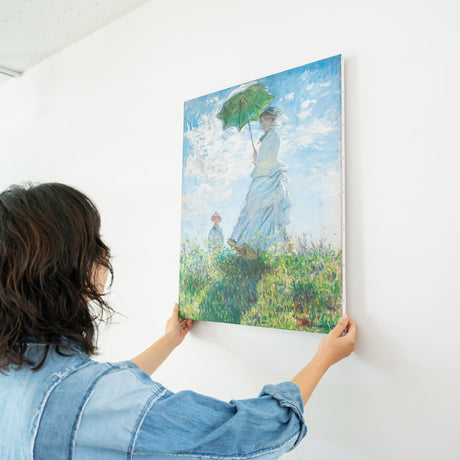
-
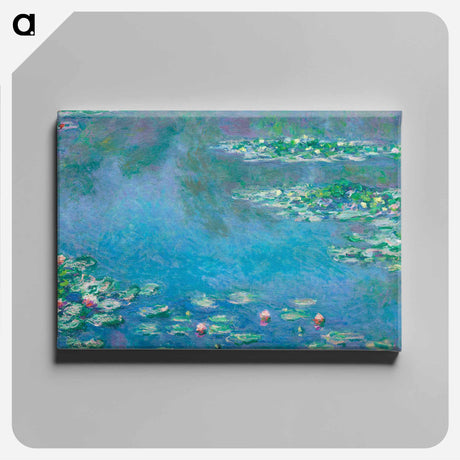 ベストセラー
Claude Monet(クロード モネ)
Water Lilies - Claude Monet Canvas.
Sale priceFrom ¥6,800 Regular price ¥8,800Unit price -
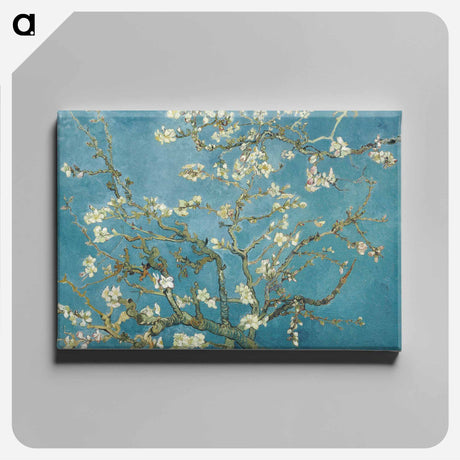 ベストセラー
Vincent van Gogh(フィンセント ファン ゴッホ)
Almond blossom - Vincent van Gogh Canvas.
Sale priceFrom ¥6,800 Regular price ¥8,800Unit price -
 ベストセラー
Vincent van Gogh(フィンセント ファン ゴッホ)
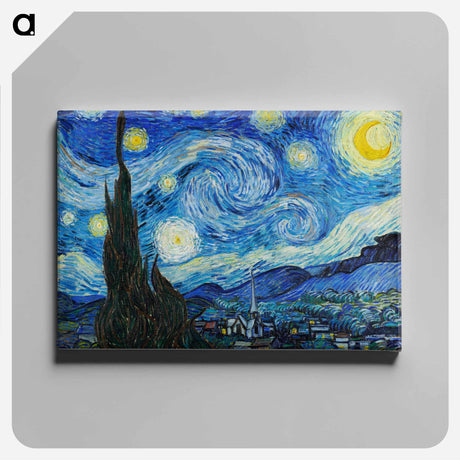
The Starry Night - Vincent van Gogh Canvas.
Sale priceFrom ¥6,800 Regular price ¥8,800Unit price -
 ベストセラー
Claude Monet(クロード モネ)
Flower in Summer - Claude Monet Canvas.
Sale priceFrom ¥6,800 Regular price ¥8,800Unit price -

Vincent van Gogh(フィンセント ファン ゴッホ)
Roses - Vincent van Gogh Canvas.
Sale priceFrom ¥6,800 Regular price ¥8,800Unit price -
 ベストセラー
Claude Monet(クロード モネ)
La Grenouillère - Claude Monet Canvas.
Sale priceFrom ¥6,800 Regular price ¥8,800Unit price -
 ベストセラー
Claude Monet(クロード モネ)
View of Vétheuil - Claude Monet Canvas.
Sale priceFrom ¥6,800 Regular price ¥8,800Unit price -
 ベストセラー
Edvard Munch(エドヴァルド ムンク)
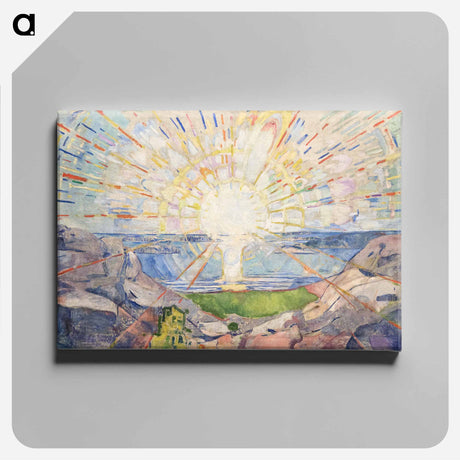
Solenintro - Edvard Munch Canvas.
Sale priceFrom ¥6,800 Regular price ¥8,800Unit price