Kabuki Actor Ichikawa Ebizō I as Kamakura Gondayū - Toshusai Sharaku Canvas.


ARを使用する
組み合わせを選んで、お部屋に試し置きできます。
【ARを使用する】
・「ARを起動」ボタンから、スマートフォンのカメラを通して実際のお部屋に試し置きが可能です。(対応機種のみ)
【画像に合わせてみる】
・用意されたお部屋の背景にポスターを配置し、サイズ感や雰囲気をシミュレーションできます。
・ポスターはドラッグで移動、右下の+−ボタンで視点の拡大縮小が可能です。


AR機能を使用するには、
スマートフォンで読み取ってください。
Kabuki Actor Ichikawa Ebizō I as Kamakura Gondayū - Toshusai Sharaku Canvas. - A5(148×210) is backordered and will ship as soon as it is back in stock.
【出荷予定について】
※土日祝定休
About delivery
About delivery
Please allow 3 business days for posters only, and 10-14 business days for framed posters.
All other products will take approximately 10 to 14 business days.
*Due to the current delay in receiving frames from our supplier, it may take 4-6 weeks for your order to be processed. We apologize for the long wait time.
お届けについて
お届けについて
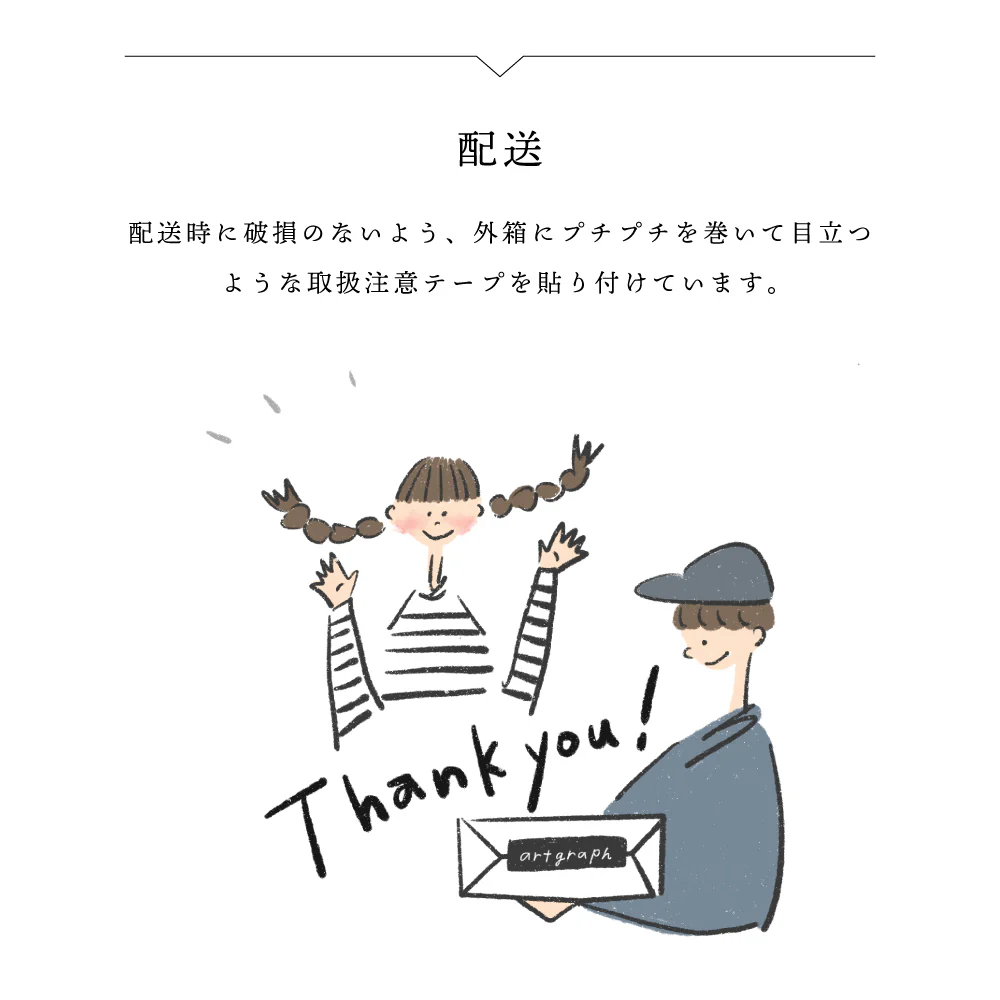
出荷までの期間はポスターのみは3営業日、額装込み・キャンバス製品は10営業日程度いただいております。
それ以外の製品は10〜14営業日程度いただいております。
営業日:月〜金曜
定休日 : 土・日曜日・祝日
※サイズ・色・点数によってお届けに通常より長くお時間をいただく場合がございます。お急ぎの場合や複数点数のご購入をご検討の場合は事前にお問い合わせください。
About returned goods exchange
About returned goods exchange
Regarding returns and exchanges
We only accept returns if the product is unused, and ask that you return it within 7 days at your own expense.
If there is a problem with the product you receive, please contact us immediately within 7 days of arrival.
■ Contact details for returns and exchanges
refund
If there is a problem with the product, please see "Returns and Exchanges" above.
cancel
If the order has not yet started production, you can cancel and get a refund, but if production has already ended, you will be charged the full amount.

Kabuki Actor Ichikawa Ebizō I as Kamakura Gondayū - Toshusai Sharak...

Kabuki Actor Ichikawa Ebizō I as Kamakura Gondayū - Toshusai Sharaku Canvas. - A5(148×210) is backordered and will ship as soon as it is back in stock.
You can order with confidence.
Payment methods
Please be assured that artgraph. does not store any credit card information and has no access to your credit card information.
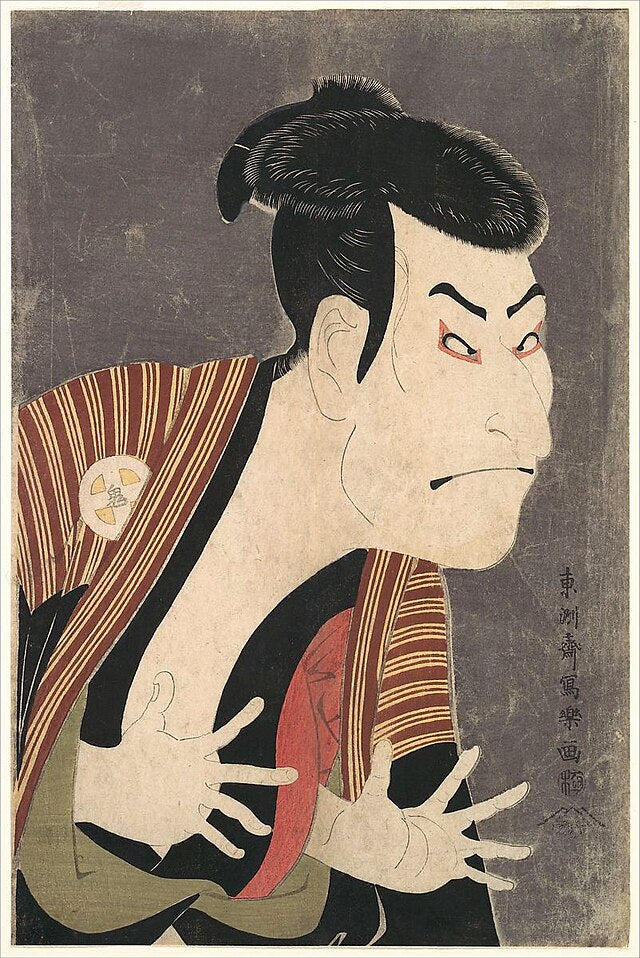
Toshusai Sharaku
Sharaku Toshusai
Toshusai Sharaku is a mysterious ukiyo-e artist who suddenly appeared during the Kansei era in the mid-Edo period, producing numerous masterpieces in just 10 months before disappearing. His actor paintings, full of strong individuality and exaggerated depictions that even exaggerate the inner lives of the actors, have an unparalleled presence in the history of Japanese art.
Toshusai Sharaku Biography
-
Identity Unknown : His true identity has remained a mystery for a long time, with the most likely theory being that he is Saito Jurobei, a Noh actor employed by the Awa Tokushima Domain. However, various other candidates have been put forward, including Dutch scholar Tani Buncho and ukiyo-e artist Katsushika Hokusai, and the identity has yet to be confirmed.
-
May 1794 (6th year of the Kansei era) : Under the direction of publisher Tsutaya Juzaburo, he made a sensational debut in the world of ukiyo-e with the release of 28 o-kubi-e (portraits depicting the actors from the chest up) of kabuki actors active in Edo theaters.
-
July-August of the same year : Published paintings of actors and sumo wrestlers, mainly full-body portraits.
-
From November of the same year onwards : The style became slightly more tolerant, the actors' faces became less deformed, and they became closer to typical actor drawings.
-
January 1795 (Kansei 7) : After this period, he stopped publishing works altogether and suddenly disappeared.
(*Due to the extremely short period of his activity, approximately 10 months, his birth and death years and detailed career history are unknown.)
Representative works
-
"Otani Oniji III's Edobei"
-
"Ichikawa Ebizo's Takemura Sadanoshin"
-
"Genzo Ishii, the second generation Bando Mitsugoro"
-
"The Fourth Generation Iwai Hanshiro's Wet Nurse Shigenoi"
-
"Arashi Ryuzo's Moneylender Ishibe Kanekichi"
The greatest feature of Sharaku's work is that it sets him apart from the actor paintings of the time, which generally portrayed actors in a beautified manner, and boldly exaggerates facial features such as wrinkles, aquiline noses, and underbites, sometimes even depicting ugliness openly. This deformation goes beyond simply copying the actor's appearance, and succeeds in sharply revealing the character of the role the actor was playing and even the actor's inner self.
The compositions, which boldly omit the background and focus on the expressions and poses of the figures, are extremely modern and make a strong impact on the viewer. His radically innovative style was not necessarily well received by the common people of Edo at the time, but it was later re-evaluated and is said to have influenced painters such as Vincent van Gogh and Henri de Toulouse-Lautrec, particularly in Europe. The mystery surrounding his true identity and the dramatic period of his career, which appeared and disappeared like a comet, continue to fascinate many people to this day.
Recommend

Actor Segawa Tomisaburo II as the Courtesan Toyama and Actor Ichikawa Kurizo as Higashiyama Yoshiwakamaru - Toshusai Sharaku Memo.

The Actor Segawa Tomisaburo II as the Otomos' Maid Wakakusa, Actually Prince Korehito - Toshusai Sharaku Memo.

Ichikawa Monnosuke II, Matsumoto Kōshirō IV, and Iwai Hanshirō IV - Tōshūsai Sharaku Memo.

Page from Shotōzan Tenarai Hōjō in Which a Picture by Sharaku Appears on a Kite - Toshusai Sharaku Memo.

Segawa Kikujuro Iii as Oshizu, Wife of Tanabe Bunzo - Toshusai Sharaku Memo.

Matsumoto Koshiro IV as the Fish Peddler Gorobei - Toshusai Sharaku Memo.

Actor Yamashita Kinsaku II as Sadato's Wife Iwate - Toshusai Sharaku Memo.

Yamashina Shirojuro in the Role of Nagoya Sanzaemon - Toshusai Sharaku Memo.

The Actor Matsumoto Koshiro as Banzuin Chobei - Toshusai Sharaku Memo.

Sagawa Kikunojo III as the Courtesan Katsuragi, and Sawamura Sojuro - Toshusai Sharaku Memo.

Sawamura Sojuro III as Nagoya Sanza - Toshusai Sharaku Memo.

Nakamura Nakazo II as Prince Koretaka Disguised in the Play Ōshukubai Koi no Hatsune - Toshusai Sharaku Memo.

The Actor Sawamura Sojuro III - Toshusai Sharaku Memo.

Segawa Kikunojo III in an Unidentified Role - Toshusai Sharaku Memo.

The Actor Ichikawa Yaozō III - Toshusai Sharaku Memo.

Osagawa Tsuneyo II as the hairdresser O-Roku - Toshusai Sharaku Memo.

Segawa Tomisaburō II as Yadorigi in the Play "Hana Ayame Bunroku Soga" - Toshusai Sharaku Memo.

Morita Kanya VIII as Kawachi Kanja, Disguised as Genkaibo - Toshusai Sharaku Memo.

Actor Segawa Tomisaburo II as the Geisha Asaka - Toshusai Sharaku Memo.

The Actor Nakayama Kumetaro II - Toshusai Sharaku Memo.

Bandō Hikosaburō III as Sagisaka Sanai in the Play "Koinyōbō Somewake Tazuna" - Toshusai Sharaku Memo.

Actor Sakakiyama Sangoro II as Michinaga's Daughter Princess Otae - Toshusai Sharaku Memo.

Bandō Mitsugorō II as the Farmer Asakusa no Jirōsaku - Toshusai Sharaku Memo.

Actor Ichikawa Yaozo III as a Courtesan's Attendant - Toshusai Sharaku Memo.

Ichikawa Omezō as Tomita Hyōtarō and Ōtani Oniji III as Ukiyo Tohei - Tōshūsai Sharaku Memo.

Actor Nakamura Kumetaro II as Minato, the wife of Yura Hyogonosuke - Toshusai Sharaku Memo.

Miyako Dennai III, the Stage Manager of the Metropolitan Theater (Miyako-za) - Toshusai Sharaku Memo.

Bandō Mitsugorō II as Ishii Genzō in the Play "Hana Ayame Bunroku Soga" - Toshusai Sharaku Memo.

Bando Hikosaburō III in the Role of Obi-ya Chōeimon and Iwai Hanshirō IV in the Role of Shinano-ya Ohan - Toshusai Sharaku Memo.

Kabuki Actors Arashi Ryūzō I as Yakko Ukiyo Matabei and Ōtani Hiroji III as Yakko Tosa No Matabei - Toshusai Sharaku Memo.

Bandō Hikosaburō III as Godai Saburō Chikatada - Toshusai Sharaku Memo.

Kabuki Actor Bandō Mitsugorō II as the Farmer Fukakusa No Jirōsaku - Toshusai Sharaku Memo.

Kabuki Actor Arashi Ryūzō II as the Manservant Namihei (toraya Toramaru) - Toshusai Sharaku Memo.

Bandō Hikosaburō III as Obiya Chōemon - Toshusai Sharaku Memo.

Bandō Mitsugorō II as the manservant Kugahei - Toshusai Sharaku Memo.

Arashi Ryūzō II as Ōtomo Yamanushi - Toshusai Sharaku Memo.

Kabuki Actor Sawamura Sojurō Iii as Ogishi Kurando - Toshusai Sharaku Memo.

Bandō Hikosaburō III as Kudōzaemon Suketsune - Toshusai Sharaku Memo.

Kabuki Actor Bandō Mitsugorō III as Katsura Kokingo Haruhisa in the Play Uruō Toshi Meika No Homare - Toshusai Sharaku Memo.

Kikunojō Segawa III as Nakai Ohama in Hana No Miyako Kuruwa No Nawabari - Toshusai Sharaku Memo.

Arashi Ryūzō and Morita Kan'ya VIII - Toshusai Sharaku Memo.

Ebisu - Toshusai Sharaku Memo.

Seven-year-old Sumo Wrestler Daidōzan Bungorō - Toshusai Sharaku Memo.

Ichikawa Danjūrō VI as Arakawa Tarō Takesada - Toshusai Sharaku Memo.

Kabuki Actor Ichikawa Danjūrō VI as Mimana Yukinori in Otokoyama Oedo No Ishizue - Toshusai Sharaku Memo.

Ichikawa Danjūrō VI as Fuwa Bansaku - Toshusai Sharaku Memo.

Seven-year-old Sumo Wrestler Daidōzan Bungorō Chasing Away Oni Demons - Toshusai Sharaku Memo.

Kabuki Actor Ichikawa Komazō II as Minase Rokurō Munezumi in a Kamishimo - Toshusai Sharaku Memo.

Ichikawa Komazō III as Nitta Yoshisada - Toshusai Sharaku Memo.

Kabuki Actor Ichikawa Ebizō I as Gongorō Kagemasa - Toshusai Sharaku Memo.
SNSでご紹介いただきました


同じ作品を使用したアイテム
-
Toshusai Sharaku(東洲斎 写楽)
Kabuki Actor Ichikawa Ebizō I as Kamakura Gondayū - Toshusai Sharaku Poster.
Sale priceFrom ¥1,900 Regular price ¥2,280Unit price -
-

Toshusai Sharaku(東洲斎 写楽)
Kabuki Actor Ichikawa Ebizō I as Kamakura Gondayū - Toshusai Sharaku Phone Case.
Sale priceFrom ¥3,480 Regular price ¥4,280Unit price -

Toshusai Sharaku(東洲斎 写楽)
Kabuki Actor Ichikawa Ebizō I as Kamakura Gondayū - Toshusai Sharaku Memo.
Sale price ¥2,800 Regular price ¥3,480Unit price -

Toshusai Sharaku(東洲斎 写楽)
Kabuki Actor Ichikawa Ebizō I as Kamakura Gondayū - Toshusai Sharaku Postcard.
Sale priceFrom ¥780 Regular price ¥1,100Unit price




Until today's order deadline
Please note that if you exceed this time your order will be processed on the next business day.
アートパネルをさらに見る
View all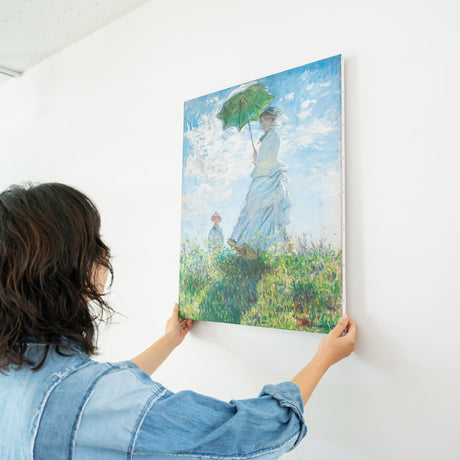
-
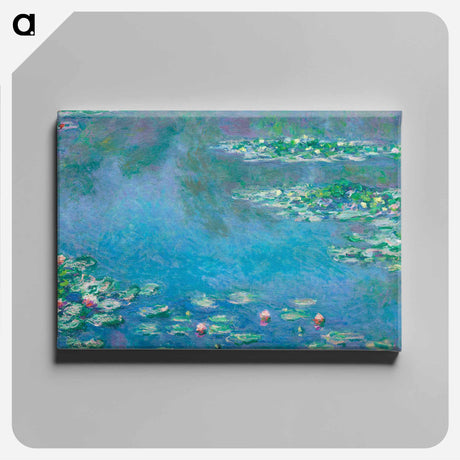 ベストセラー
Claude Monet(クロード モネ)
Water Lilies - Claude Monet Canvas.
Sale priceFrom ¥6,800 Regular price ¥8,800Unit price -
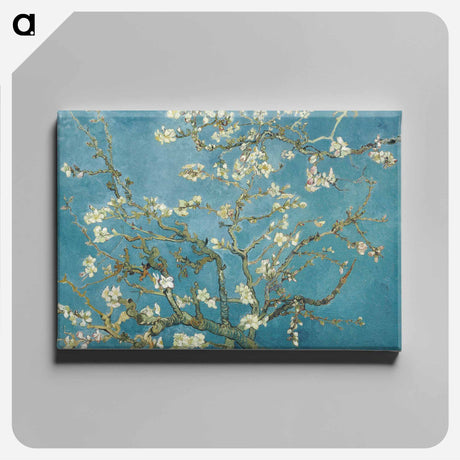 ベストセラー
Vincent van Gogh(フィンセント ファン ゴッホ)
Almond blossom - Vincent van Gogh Canvas.
Sale priceFrom ¥6,800 Regular price ¥8,800Unit price -
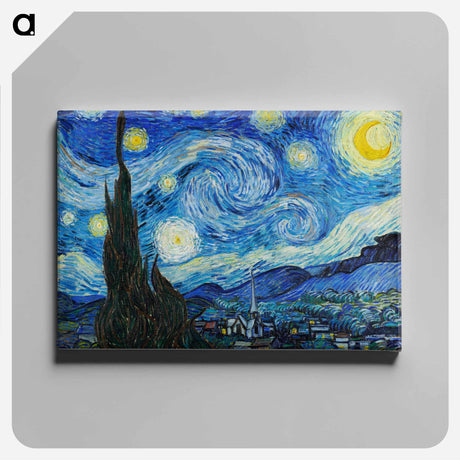 ベストセラー
Vincent van Gogh(フィンセント ファン ゴッホ)
The Starry Night - Vincent van Gogh Canvas.
Sale priceFrom ¥6,800 Regular price ¥8,800Unit price -
 ベストセラー
Claude Monet(クロード モネ)
Flower in Summer - Claude Monet Canvas.
Sale priceFrom ¥6,800 Regular price ¥8,800Unit price -

Vincent van Gogh(フィンセント ファン ゴッホ)
Roses - Vincent van Gogh Canvas.
Sale priceFrom ¥6,800 Regular price ¥8,800Unit price -
 ベストセラー
Claude Monet(クロード モネ)
La Grenouillère - Claude Monet Canvas.
Sale priceFrom ¥6,800 Regular price ¥8,800Unit price -
 ベストセラー
Claude Monet(クロード モネ)
View of Vétheuil - Claude Monet Canvas.
Sale priceFrom ¥6,800 Regular price ¥8,800Unit price -
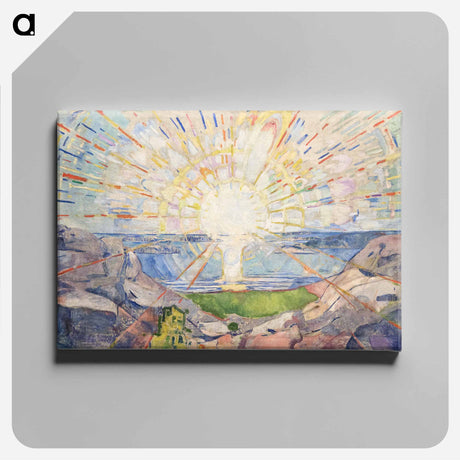 ベストセラー
Edvard Munch(エドヴァルド ムンク)
Solenintro - Edvard Munch Canvas.
Sale priceFrom ¥6,800 Regular price ¥8,800Unit price